Advertisement
Inside Nairobi’s vision for an underground CBD, integrated transit hubs and car-free mobility
Wednesday 22nd July, 2026 02:07 PM|
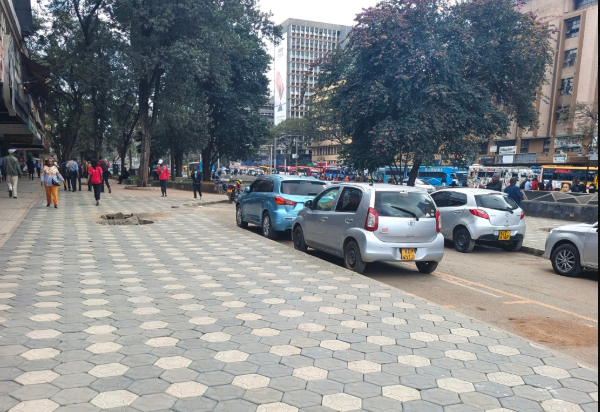
For decades, Nairobi has been defined by crippling traffic congestion, overcrowded matatu stages and long commuting hours that cost residents valuable time and businesses billions in lost productivity. Now, city leaders say that could begin to change.
The Nairobi City County Executive Committee has approved the implementation framework for Phase I of the Nairobi Metropolitan Mass Rapid Transit System (NMRTS), an ambitious public transport project that includes an underground transit corridor beneath the Central Business District (CBD), integrated transport hubs and high-capacity links connecting Eastlands to the city centre.
The approval marks a major milestone in Nairobi’s long-term vision to modernise public transport, reduce traffic congestion and create a more pedestrian-friendly, sustainable capital.
Instead of expanding already congested roads, the county plans to move part of the city’s transport network beneath the CBD.
You Might Also Like
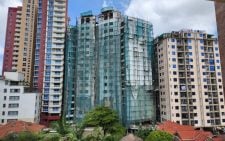

The proposed underground core is designed to become Nairobi’s central transport spine, allowing thousands of commuters to travel beneath the city’s busiest streets while preserving valuable surface space for pedestrians, cyclists and public spaces.
According to Nairobi County, the underground network will feature integrated transit terminals that connect high-capacity public transport with walking routes and other last-mile mobility options, creating a seamless commuting experience.
If delivered as planned, the project would fundamentally change how people move through the CBD, shifting the city’s transport focus from private vehicles to efficient mass transit.
How the Eastlands line could reshape daily commuting
Phase I prioritises one of Nairobi’s busiest commuter corridors by linking Eastlands directly to the CBD through the new Mass Rapid Transit network.
Every day, hundreds of thousands of commuters travel from estates in Eastlands into the city centre, often spending hours in traffic during peak periods.
County officials say the new system aims to significantly reduce travel times, ease road congestion and lower transport costs by providing a reliable, high-capacity alternative to road-based commuting.
The NMRTS is also designed to integrate with Nairobi’s planned Bus Rapid Transit (BRT) corridors through key interchange stations, allowing passengers to transfer easily between different modes of public transport.
Beyond improving mobility, the project reflects a broader vision of transforming Nairobi into a cleaner and more liveable city.

By moving large volumes of commuters underground and encouraging greater use of public transport, city planners hope to reduce dependence on private vehicles, lower carbon emissions and create more space for pedestrians and non-motorised transport.
The long-term goal is not to eliminate cars from the CBD but to make public transport the preferred option for most daily journeys, reducing pressure on the city’s overloaded road network.
Economic impact beyond transport
County officials say the project is expected to generate thousands of employment opportunities during both construction and operations while stimulating investment around future transit hubs.
Improved transport connectivity could also enhance productivity by reducing commuting times and making it easier for people and businesses to move across the city.
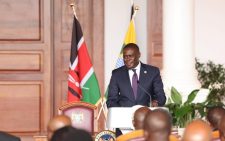
Governor Johnson Sakaja described the approval as a shift from planning to implementation.
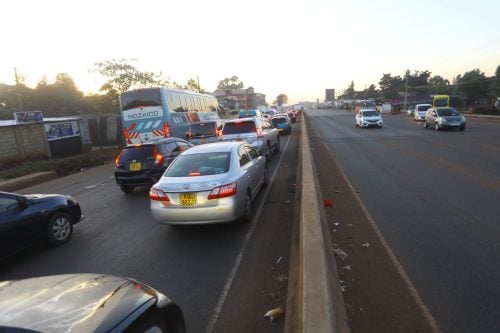
“For far too long, the people of Nairobi have lost precious hours in traffic grids that stall our economic momentum,” the governor said after the County Executive Committee meeting.
“The approval of NMRTS Phase I is our firm commitment to delivering a modern, fast, safe and dignified public transit network while building a cleaner, green and world-class city.”
What’s next for the NMRTS?
While the implementation framework for Phase I has now been approved, several key stages remain before construction begins.
Nairobi County says it will undertake public participation forums, consult transport sector stakeholders and coordinate implementation with national government agencies ahead of the project’s groundbreaking.
Planning is also underway for Phase II, which is expected to extend the network to Westlands, Ngong Road and Lang’ata Road while improving connectivity for commuters travelling from Ongata Rongai, Ngong and Nairobi’s rapidly growing western suburbs.
Details such as the project’s financing model, construction timeline, route maps and passenger capacity have yet to be announced.
If implemented as envisioned, the Nairobi Metropolitan Mass Rapid Transit System could become the city’s most significant transport transformation since independence—reimagining the capital not around traffic, but around fast, integrated and people-centred public transport.
Author
Latest News




Advertisement
More on News