Fuel crisis: Matiang’i warns Kenyans to brace for the worst
By Aloys Michael, May 18, 2026Jubilee Deputy party leader Fred Matiang’i has warned Kenyans to brace for the worst, as the country grapples with a deepening fuel crisis that has triggered nationwide transport disruptions, rising living costs and growing public anger.
Speaking during the Kiambu Jubilee Delegates Meeting on Monday, May 18, 2026, Matiang’i accused the Kenya Kwanza administration of mismanaging the economy and steering the country in the wrong direction.
“I think the worst is about to come, brace yourselves, the worst is about to come,” Matiang’i declared.
The former Interior Cabinet Secretary said leaders in the opposition and Jubilee Party had repeatedly warned Kenyans about what he termed poor governance and economic mismanagement.
“We have kept cautioning Kenyans that we are headed in the wrong direction. Our fellow citizens who are now leading our country have made so many mistakes, and they have mismanaged the country in such a manner that it would be unimaginable how we will not be in a crisis,” he said.
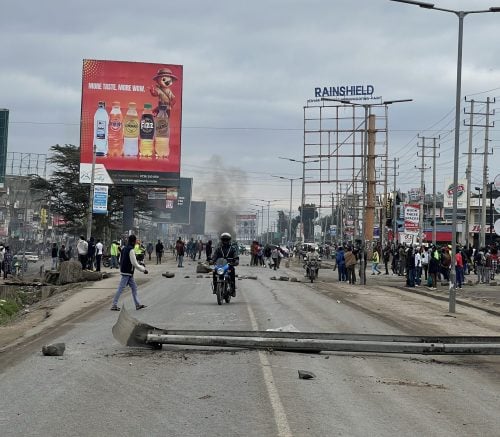
Matiang’i’s remarks come at a time when thousands of commuters across Kenya have been stranded after public transport operators launched a nationwide strike protesting soaring fuel prices.
Major roads in Nairobi remained largely deserted on Monday as matatus, buses and truck operators stayed off the roads in a coordinated shutdown.
The crisis forced many Nairobi residents to walk long distances to work, while some schools advised learners to remain at home. Businesses in several parts of the capital also remained closed as demonstrations intensified.
Protesters barricaded roads and lit fires in parts of Nairobi and other towns, with police using tear gas to disperse crowds amid running battles with demonstrators.
Key in the crisis is the recent increase in fuel prices announced by the Energy and Petroleum Regulatory Authority (EPRA). Petrol and diesel prices rose by more than 20 per cent, pushing pump prices to record highs of about Ksh242 per litre in some regions.

Uproar over fuel price
The sharp rise has sparked outrage among transport operators and ordinary Kenyans already struggling with the high cost of living.
Matiang’i said even political campaigns were beginning to feel the strain caused by the escalating fuel costs.
“Since this weekend, I travelled upcountry. Even my expenses on fuel, together with my team, are two times what it has been already,” he told delegates.
“That is a strain on my budget and the budget of those who are supporting our campaign. Can you imagine an ordinary Kenyan?”
The former Interior CS linked the current economic challenges to corruption and incompetence in government, saying Kenyans had effectively “voted themselves” into the current crisis.
“Because of corruption and incompetence in the management of our country, we are headed in the wrong direction,” he stated.
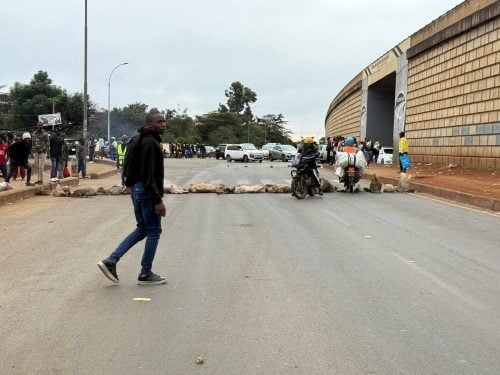
Moreover, the Transport Sector Alliance (TSA), which organised the strike, defended the shutdown, saying it was intended to pressure the government into reversing the latest fuel price increases.
“This action is not only for transport operators, but for every Kenyan citizen,” the alliance said in a statement.
The group wants the government to significantly reduce fuel prices and introduce stronger interventions to cushion citizens from the rising cost of living.
The fuel crisis has already triggered increases in public transport fares and food prices, with economists warning that inflationary pressure could worsen in the coming weeks.
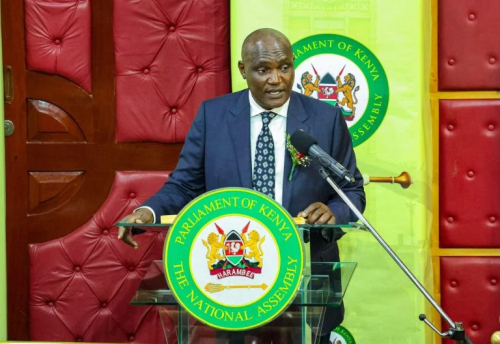
Mbadi on fuel
Speaking to local media on Monday, Mbadi described the increase in fuel prices as unfortunate, but insisted the government was dealing with a global challenge.
“Why are we trying to solve a global problem using domestic means?” he posed, while maintaining that the strike was “completely uncalled for.”
The government had earlier reduced VAT on fuel from 16 per cent to 8 per cent until July in an attempt to ease pressure on consumers, but critics argue the measure has done little to lower costs.
As protests continue and transport disruptions spread across the country, concerns are growing that Kenya could face prolonged economic hardship if fuel prices remain elevated.