Advertisement
Arap Kirwa: Ruto’s leadership trajectory will backfire
Thursday 07th August, 2025 10:23 AM|

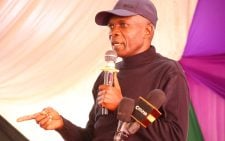
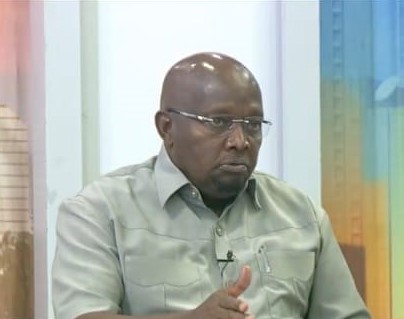
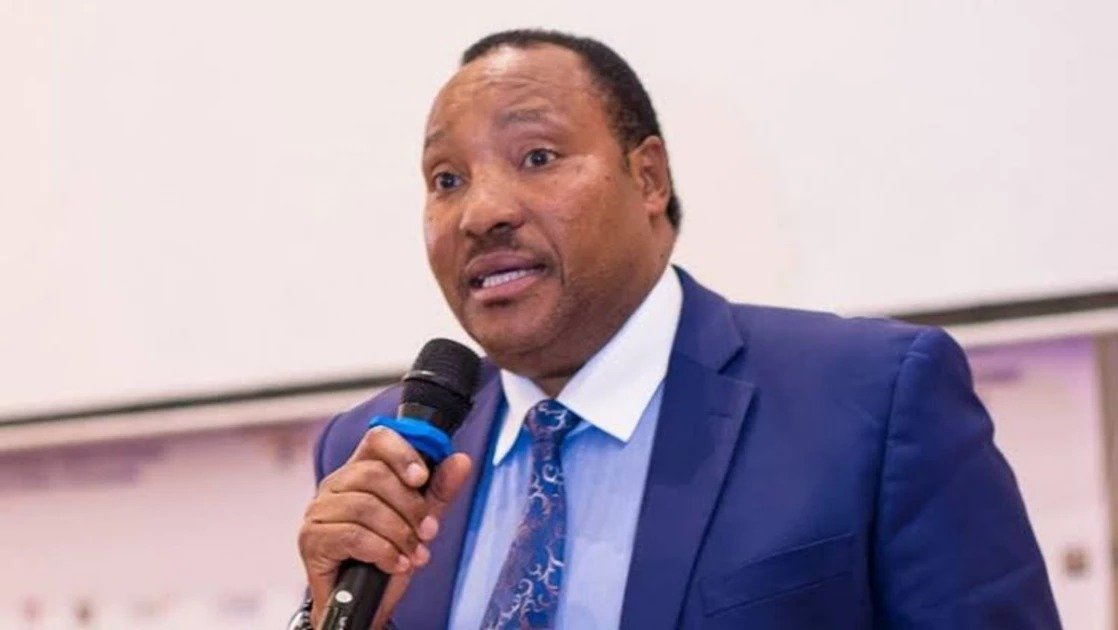
Former Agriculture Minister Kipruto Arap Kirwa has warned that President William Ruto’s leadership trajectory could backfire if he continues with what he described as overpromising and unnecessary self-elevation.
Speaking during a live interview aired by K24 TV station on Tuesday, August 7, 2025, Kirwa said that while two years may seem like a short time in politics, it is still enough to change course, but only if the President rethinks his current approach to leadership.
“Two years is a long period, and I have no reason to say it’s too late for William Ruto, but the problem is the trajectory he has taken, almost comparing himself with people who cannot be his equals, is a trajectory that is going to destroy him,” Kirwa said
He cautioned that the President risks weakening his administration by relying too much on grand promises and making statements that portray him as larger than the office requires.
You Might Also Like
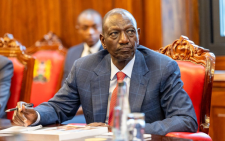
“He is going to be destroyed by his pronouncements from the promises to elevating himself beyond the normal,” Kirwa said, pointing to the impact of unchecked political messaging and public declarations that may not match on-ground delivery.
The former minister stressed the need to let democratic institutions operate independently, without interference from the executive.
“Allow institutions to operate, whether it’s institutions of government, of finance and so forth,” Kirwa stated. “He should allow them to operate and not interfere with them,” he said
His remarks come at a time when questions are being raised over the independence of state institutions and the centralisation of power in the executive arm of government. Kirwa’s call echoes growing public concern over transparency, checks and balances, and the role of constitutional offices.
Without directly mentioning specific policies or incidents, Kirwa’s message was a caution to the President that overreach, whether through promises or micromanagement, could erode public trust and weaken the very foundation of his presidency.
The sentiments add to a growing list of voices urging the Head of State to tone down on rhetoric and focus on tangible reforms.
Kirwa’s warning serves not just as political commentary but as a broader reflection of the delicate balance between political power and public accountability. With three years still left in his first term, the President’s ability to listen to such feedback may determine the trajectory of his legacy.
Author
Latest News


Advertisement
More on Inside Politics