Advertisement
5 VPs and 650 MPs: South Sudan’s Kiir pledges sweeping govt reforms after elections
Thursday 23rd July, 2026 07:56 AM|
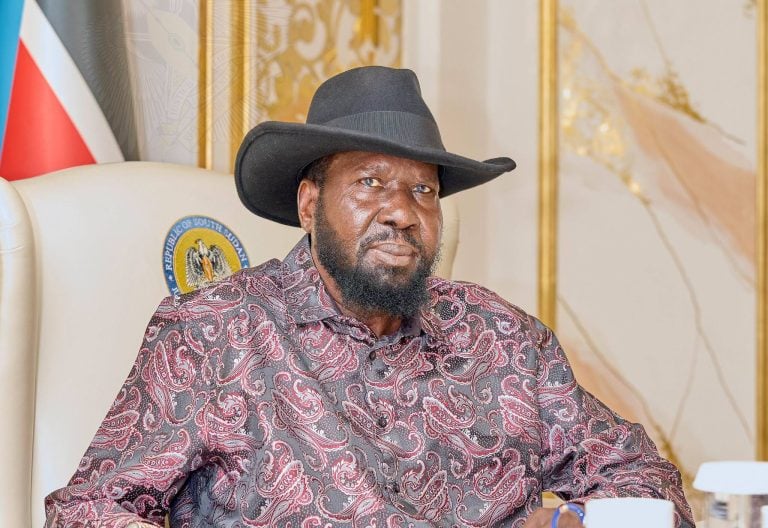
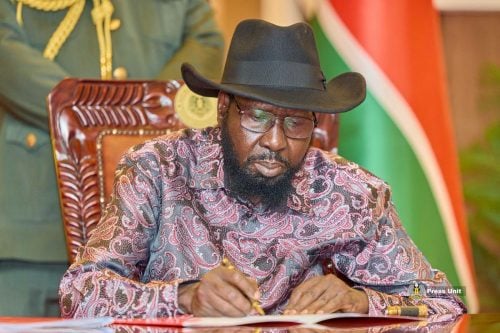
President Salva Kiir has pledged to reduce the size of South Sudan’s government after the country’s next elections, saying the current structure created through a peace deal has become too large and is slowing development.
Speaking during a televised interview in Juba on Wednesday, July 23, 2026, Kiir defended the decision to create a power-sharing government with five vice presidents, saying the arrangement was necessary to end conflict and maintain peace.
However, he said changes would be introduced after elections, including reducing the number of senior government positions and members of Parliament.
“There will be changes after the elections,” Kiir said when asked what South Sudanese should expect after voting and the counting of ballots.
You Might Also Like

“Now you can see the five vice presidents. What will they do? Like in the Parliament, we have 650 members. What will they do? Because this new government prevented development. So they will have to be reduced so that there is a window of development.”
Kiir’s comments come ahead of South Sudan’s planned elections, which are expected to determine the country’s political direction after years of instability.
South Sudan’s first post-independence general elections are scheduled for December 22, 2026. The National Elections Commission formally announced the date in June 2026.
In July 2026, Parliament passed and President Kiir signed amendments to the 2018 Revitalised Peace Agreement (R-ARCSS), removing the requirements for a national census and permanent constitution before voting. These changes cleared the main legal obstacles, allowing the country to proceed with polls at the end of the transitional period.
The creation of five vice presidents was part of a peace-sharing arrangement aimed at bringing together rival political groups after South Sudan’s civil war. The agreement was designed to balance competing interests and prevent a return to widespread fighting.
Kiir said the arrangement succeeded because political leaders accepted compromises.
“It worked because we needed peace,” he said. “We had to make compromises so that we reach where we are today.”
Peace before efficiency
The South Sudan president said the decision to accommodate several vice presidents was not easy, but it helped stabilise the country.
He recalled questioning former Sudanese leader Omar al-Bashir about the practicality of creating multiple vice presidential positions before South Sudan gained independence.
“I told him in Khartoum, when he was still in power, that if you bring me so many vice presidents, where will I accommodate them?” Kiir said.
He added that Juba lacked the infrastructure required to support such a large leadership structure.
“You know Juba, there are no houses that you have built for vice presidents. Number two, vehicles for the vice presidents to run the country are not there,” he said.
Kiir said he accepted the arrangement after receiving assurances that oil production would increase, providing resources to support the government.
The five vice presidents were introduced under the 2018 peace agreement, which sought to end South Sudan’s civil war between Kiir’s government and opposition forces led by Riek Machar.
The agreement created a transitional unity government and expanded power-sharing positions as part of efforts to bring former rivals into one administration.
Kiir’s latest remarks indicate that he now wants to move away from the expanded structure created during the peace process.
He argued that the size of the current government has affected the country’s ability to deliver development projects.
South Sudan has struggled with economic challenges, including heavy dependence on oil revenues, infrastructure shortages and the effects of years of conflict.
The president did not provide details on how many vice presidents or lawmakers would remain after the reforms. He also did not explain whether the changes would require constitutional amendments or negotiations with political parties.
The South Sudan Parliament currently has 650 members, a number Kiir questioned during the interview.
The planned reforms are likely to become a major issue in the political debate ahead of the elections, as leaders discuss the balance between inclusive governance and efficient administration.
Kiir has led South Sudan since it gained independence from Sudan in 2011. His government has faced repeated political crises, including a civil war that broke out in 2013 and displaced millions of people.
The president said the priority after elections would be creating a government structure that can focus more effectively on national development.
While President Kiir has publicly pledged sweeping government reforms and a leaner administration after the December 2026 elections, his government continues to face embarrassing administrative setbacks. For instance, in February 2026, Kiir sacked two senior aides after it emerged that he had appointed a dead man to a key elections panel.
Author
Kenneth Mwenda
Kenneth Mwenda is a business, sports, and politics digital writer with over seven years of experience in journalism, covering breaking news, feature stories, and in-depth analysis across a range of beats.
For inquiries, he can be reached at [email protected]
View all posts by Kenneth MwendaLatest News
Advertisement
More on Inside Politics