Advertisement
Ol Kalou by-election rape claims: Govt explains GBV reporting process amid calls for investigations
Thursday 23rd July, 2026 08:30 AM|
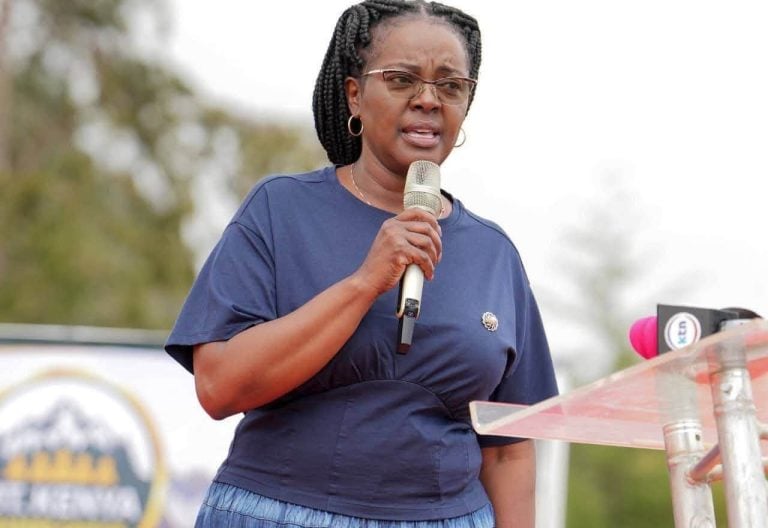
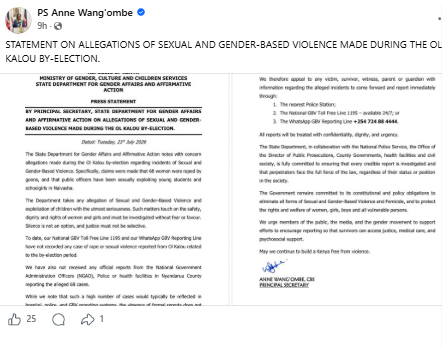
The government has asked victims, witnesses and anyone with information on claimed cases of sexual and gender-based violence (GBV) during the Ol Kalou parliamentary by-election to report to authorities, saying no official reports have been received so far.
The State Department for Gender Affairs and Affirmative Action issued the statement on Tuesday, July 21, 2026, after claims emerged that 68 women were raped during the by-election period. The allegations were raised by former Deputy President Rigathi Gachagua, who linked the reported assaults to police officers.
Principal Secretary for Gender Affairs and Affirmative Action Anne Wang’ombe said the government takes all allegations of sexual violence seriously and that every credible complaint must be investigated.
“Such matters touch on the safety, dignity and rights of women and girls and must be investigated without fear or favour. Silence is not an option, and justice must not be selective,” the PS said.
You Might Also Like


The department, however, said its reporting channels had not received any complaints related to rape or sexual violence during the Ol Kalou by-election.
The National GBV Toll Free Line 1195 and the WhatsApp GBV Reporting Line had not recorded any cases linked to the claimed attacks. The department also said it had not received reports from the National Government Administration Officers (NGAO), police or health facilities in Nyandarua County.
“While we note that such a high number of cases would typically be reflected in hospital, police, and GBV reporting systems, the absence of formal reports does not mean the allegations should be ignored,” Wang’ombe said.
Ol Kalou by-election claims
The allegations emerged after the July 16, 2026 Ol Kalou parliamentary by-election, which was won by the Democratic Citizens Party (DCP) candidate Sammy Waweru Kamau.
Kamau secured 35,440 votes, defeating United Democratic Alliance (UDA) candidate Samuel Muchina Nyagah, who received 5,450 votes.
The election attracted political tension, with claims of intimidation, violence and interference raised by opposition leaders. Gachagua, whose party won the seat, later claimed that 68 women had been sexually assaulted during the campaign and voting period.
The claims triggered demands for evidence from government officials.
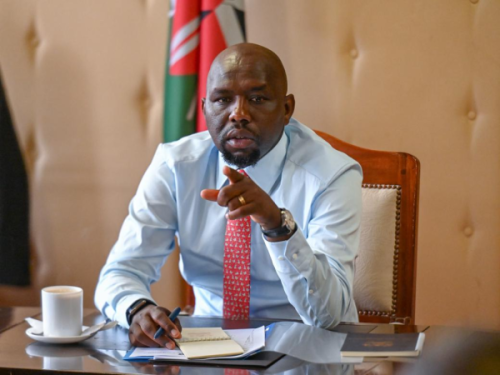
Interior Cabinet Secretary Kipchumba Murkomen challenged Gachagua to report the alleged cases to police so investigations could begin.
“I heard Mr Gachagua saying, in record, of 68 women who were raped. And he says that they were raped by police officers. I want to dare Mr Gachagua, if you are truly a father who has children, if you are a husband of a woman, you cannot play politics with 68 lives of women who were raped,” Murkomen said.
The CS said the government would not protect anyone found responsible for sexual violence.
“If it is true that 68 women were raped, please take those names to the nearest police station. Let that be reported. We would like those people to be arrested,” Murkomen added.
Police also said they had not received reports of rape linked to the by-election period.
Kenya’s legal framework on GBV
Kenya has several laws and policies aimed at preventing and responding to sexual and gender-based violence.
The Constitution of Kenya protects every person’s right to dignity and freedom from violence, including cruel, inhuman or degrading treatment. Article 28 guarantees the right to human dignity, while Article 29 protects individuals from violence and abuse.
The main law dealing with sexual offences is the Sexual Offences Act, 2006. The law defines offences such as rape, attempted rape, sexual assault and harassment. It also provides penalties for offenders found guilty of sexual offences.
The Protection Against Domestic Violence Act, 2015, provides measures to protect victims of domestic abuse, while the Children Act, 2022, strengthens protection against exploitation, abuse and violence involving children.
Kenya also has the National Policy on Gender and Development and the National Guidelines for Management of Sexual Violence, which guide institutions handling GBV cases.
Under the law, survivors can report cases through police stations, health facilities, GBV hotlines and other authorised support services. Investigators are required to gather evidence, record statements and forward cases for prosecution where there is sufficient evidence.
Author
Kenneth Mwenda
Kenneth Mwenda is a business, sports, and politics digital writer with over seven years of experience in journalism, covering breaking news, feature stories, and in-depth analysis across a range of beats.
For inquiries, he can be reached at [email protected]
View all posts by Kenneth MwendaLatest News




Advertisement
More on News