Advertisement
World Bank reveals 5 things getting expensive for Kenyans if oil stays high
Saturday 13th June, 2026 12:06 AM|

Kenyan households could face another wave of cost-of-living pressure if global oil prices remain elevated, after the World Bank warned that energy disruptions could push commodity prices higher in 2026.
The World Bank’s latest Global Economic Prospects June 2026 report projects that oil prices could average Ksh12,000 per barrel in 2026, a major increase driven by geopolitical tensions and disruptions in global energy markets.
For Kenya, which imports most of its petroleum products, the warning could translate into higher pump prices, increased transport costs, more expensive food production and pressure on businesses already struggling with high operating expenses.
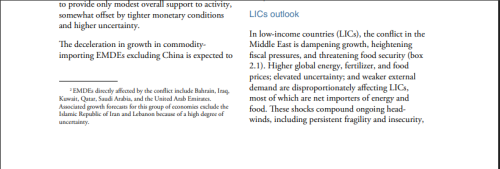
The report says global commodity prices are expected to rise sharply, with energy markets facing renewed instability due to conflicts affecting supply routes.
You Might Also Like



“The global economy is facing another major shock as conflict has triggered sharp increases in energy prices, renewed inflationary pressures and tighter financial conditions,” the World Bank says.
The effects could spread across East Africa, where fuel remains a major driver of household spending and regional trade.
Here are five things that could become more expensive if oil prices stay high:
Petrol, diesel and transport fares
Fuel prices are likely to be the first place consumers feel the impact.

A rise in crude oil prices increases the cost of importing refined petroleum products, which can eventually affect pump prices.
In Kenya, higher fuel costs usually have a ripple effect because trucks, buses, motorcycles and private vehicles depend heavily on petroleum.
When transport operators pay more for fuel, the cost is often passed on to passengers through higher fares.
This could affect daily commuters, traders moving goods across counties, and businesses relying on transport networks.
The World Bank warns that higher energy prices could weaken growth prospects, especially for economies that depend on imported energy.
Food prices and household budgets
Fuel is not only about transport. It affects the entire food supply chain.
Farm inputs, machinery, storage, processing and distribution all depend on energy. When diesel prices rise, farmers and traders often face higher costs that eventually reach consumers.
The World Bank says energy disruptions have also affected fertiliser markets, raising concerns over food security and inflation pressures.
For Kenyan families already managing rising living costs, higher fuel prices could mean less money left for essentials.

Fertiliser and farming costs
Agriculture remains one of the biggest parts of East Africa’s economy, making fertiliser prices a major concern.
The World Bank notes that disruptions in energy markets have contributed to higher fertiliser prices because natural gas is a key input in fertiliser production.
Higher fertiliser costs could affect maize, wheat, horticulture and other crops, potentially increasing food prices across Kenya and the region.
Farmers may be forced to reduce input use, which could affect yields and supply.
Business costs and the import bill
A sustained rise in oil prices could increase Kenya’s import bill by making energy purchases more expensive.
Manufacturers, retailers and small businesses may also feel pressure as electricity, transport and production costs rise.
The World Bank says higher commodity prices can create wider inflation challenges and put pressure on economies already dealing with limited fiscal space.
For businesses, this could mean difficult choices between raising prices and absorbing higher costs.

Inflation and interest rates
Higher oil prices can push inflation higher, making it harder for central banks to balance economic growth and price stability.
The World Bank warns that renewed inflation pressures could lead to tighter monetary conditions, affecting borrowing costs.
This could affect households and businesses through more expensive loans, mortgages and credit facilities.
The report, however, says the outlook could improve if energy supplies recover and global conditions stabilise.
“Activity is expected to strengthen in 2027–28 as energy supplies recover, monetary easing resumes and trade strengthens.”
For Kenya and the East African Community (EAC), the challenge will be reducing vulnerability to global energy shocks while strengthening local production, regional trade and alternative energy sources.
Author
Latest News





Advertisement
More on Business