Advertisement
US stocks ease as Iran conflict raises concerns about prolonged surging rates
Friday 20th March, 2026 07:03 PM|

United States (US) stocks are sinking on Friday, March 20, 2026, as hopes wither on Wall Street for a possible cut to interest rates by the Federal Reserve this year because of the war with Iran.
The S&P 500 fell 0.9 per cent and was on track for a fourth straight losing week, its longest such streak in a year. The Dow Jones Industrial Average was down 285 points, or 0.6 per cent, and the Nasdaq composite was 1.2 per cent lower.
Stocks sank under the weight of leaping yields in the bond market. They will make mortgage rates and other borrowing more expensive for U.S. households and companies, slowing the economy, and they grind down on prices for all kinds of investments.
Treasury yields have been jumping since the war began because it could cause a long-term spike in oil and natural gas prices that drives up inflation.
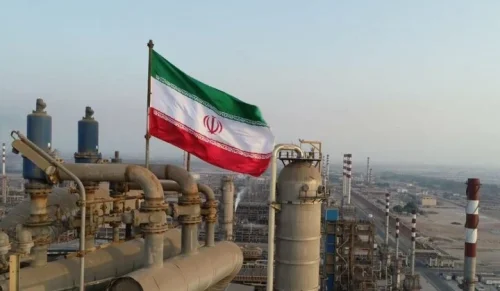
International and US oil prices
You Might Also Like


Brent crude oil is the benchmark for about three-quarters of the oil produced globally. West Texas Intermediate, or WTI, is the price barometer for U.S. oil.
Worries have gotten so high that traders have cancelled nearly all their bets that the Federal Reserve could cut interest rates this year, according to data from CME Group. Some even see a possibility for a rate hike in 2026, which was a nearly unthinkable scenario before the war began.
Lower interest rates would give the economy and investment prices a boost, and they’re something President Donald Trump has angrily been calling for. Before attacks by the United States and Israel began the war with Iran, traders were betting heavily that the Fed would cut interest rates at least twice this year.
But lower rates risk worsening inflation. And with oil prices so much higher now, investors see little room for central banks worldwide to cut interest rates to help their economies. Besides the Federal Reserve, central banks in Europe, Japan and the United Kingdom also held their interest rates steady this past week.
Friday’s worries came even as oil prices calmed a bit. A barrel of Brent crude, the international standard, added 0.3 per cent to about Ksh14,173, after drifting lower earlier in the morning. Benchmark U.S. crude rose 0.3 per cent to about Ksh12,451 per barrel.
The price of Brent has zigzagged sharply on its way there from roughly Ksh9,100 per barrel before the war began. Big swings up and down have struck hour to hour as financial markets try to handicap how long the war will last and how much damage it will do to oil and gas production in the Persian Gulf.
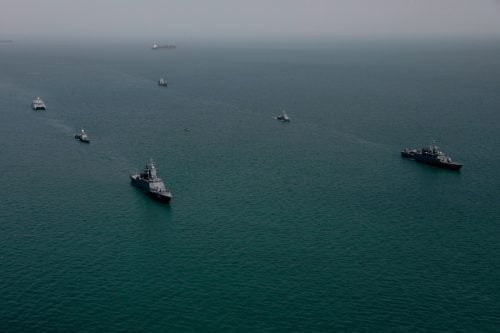
Much of the focus is on the Strait of Hormuz, a narrow waterway off Iran’s coast. A fifth of the world’s oil typically sails through it, but Iran has effectively closed it to its enemies.
Author
Latest News








Advertisement
More on Business