Advertisement
Mbadi says Safaricom divestiture will finance major infrastructure projects
Saturday 04th July, 2026 12:43 PM|
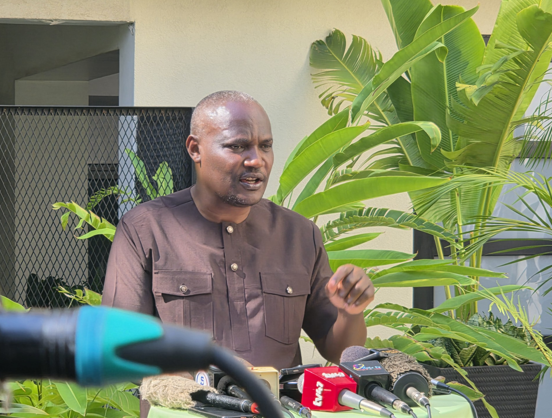
Treasury Cabinet Secretary John Mbadi has defended the government’s decision to sell part of its shares in Safaricom PLC, saying the move was lawful and aimed at raising funds to finance major national infrastructure projects.
Speaking during a press briefing in Kisumu on July 4, 2026, Mbadi dismissed criticism from opposition leaders over the sale of part of the government’s stake in the telecommunications company, saying the move was a carefully considered economic decision designed to strengthen Kenya’s long-term development agenda rather than a politically driven exercise.
He maintained that the transaction complied with the Constitution, the Public Finance Management Act and all applicable legal procedures, noting that the government only proceeded after the Court of Appeal lifted conservatory orders that had temporarily halted the process.
“The action that the government took is in sync and in compliance with the principles of respect for the rule of law,” Mbadi said, adding that the government had obeyed the initial High Court orders before successfully seeking relief at the Court of Appeal.
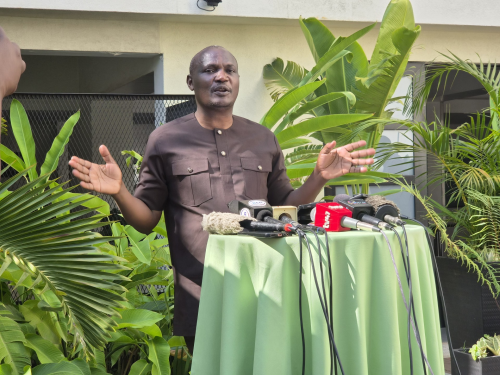
Mbadi calls for judicial process
You Might Also Like
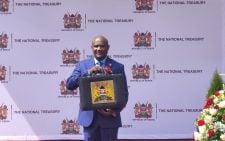
The Treasury CS said issues surrounding the valuation of the shares, timing of the transaction and the strategic importance of the asset remain before the High Court and should be determined through the judicial process rather than public speculation.
Mbadi revealed that the divestiture followed extensive public participation conducted both by the National Treasury and Parliament.
He said he personally travelled across several regions of the country, including Migori, Kakamega, Nakuru, Eldoret, Kiambu, Meru and Kilifi, to collect views from Kenyans before the proposal was presented to Parliament.
According to Mbadi, proceeds from the sale have already been transferred to the newly established National Infrastructure Fund and will not be used for recurrent government expenditure.
Instead, the money will finance commercially viable infrastructure projects such as the expansion of Jomo Kenyatta International Airport, major road projects, irrigation schemes and investments in the energy sector.
“We are not going to consume this money. We are converting it into another public asset through investments that Kenyans will be able to see and benefit from,” he said.
National infrastructure funding
The CS argued that Kenya’s infrastructure ambitions cannot be financed through the normal national budget because of heavy debt servicing obligations, saying innovative financing mechanisms are necessary to sustain economic growth and improve public services.
He added that the National Infrastructure Fund is expected to become operational soon after the appointment of its board and management, enabling it to begin financing strategic projects aimed at boosting economic competitiveness and improving power generation, transport and irrigation.
Mbadi also defended the government’s broader policy of reducing its ownership in commercial enterprises, arguing that governments should focus on creating an enabling environment for businesses rather than directly running them.
He said Safaricom’s growth accelerated after private investment was introduced, adding that the government intends to consider further divestiture of its remaining stake to raise capital for development projects.
He dismissed claims that the government had rushed the transaction, saying the divestiture process had been underway for months and only paused after the High Court issued conservatory orders, which the government obeyed.
Following the Court of Appeal’s decision to lift the orders, he said, the government proceeded with the transaction while continuing to participate in the substantive case before the High Court.
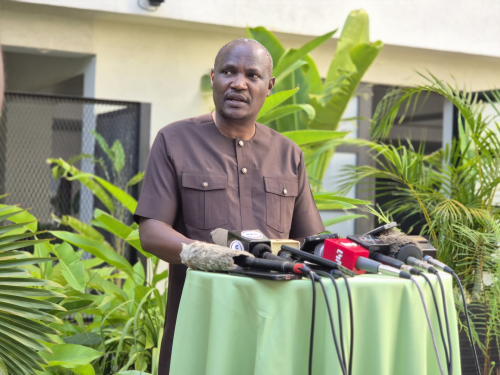
Addressing criticism that the government should have delayed the transaction to receive future dividend payments from Safaricom, Mbadi said such arguments failed to appreciate the country’s urgent development needs.
He disclosed that the government had already received an advance dividend of Ksh40 billion and argued that unlocking about Ksh240 billion for infrastructure investment would deliver greater long-term value than waiting years to accumulate annual dividends.
He said the National Infrastructure Fund is in its final stages of operationalisation, with the recruitment of board members expected to be concluded soon before a chief executive officer is appointed.
According to Mbadi, the board will comprise professionals with expertise in investment banking, engineering, finance and accounting to ensure prudent management of public resources.
The Cabinet Secretary said the government had listened to concerns raised by Kenyans during public participation, noting that most people were not opposed to the sale itself but wanted assurances that the proceeds would be managed transparently.
He cited the appointment of experienced professionals to the governing council as evidence of the government’s commitment to accountability.
Mbadi accused opposition leaders, including Wiper leader Kalonzo Musyoka and former Public Service Cabinet Secretary Justin Muturi, of politicising an economic matter instead of allowing the courts to determine the issues raised in the petition challenging the transaction.
He questioned whether critics of the sale had conducted any public consultations before opposing the move, arguing that the government had undertaken extensive stakeholder engagement before Parliament approved the transaction.
The Treasury CS further noted that previous governments had also reduced the state’s shareholding in Safaricom without attracting similar criticism. He said the government had previously owned the company entirely before successive administrations gradually sold portions of its stake.
According to Mbadi, unlike previous divestitures whose proceeds were absorbed into the general budget, the current administration has ring-fenced the funds for investment through the National Infrastructure Fund to ensure accountability and long-term returns.
He maintained that Kenya’s standing as a credible investment destination depends on strong institutions, respect for the rule of law and sound economic governance, warning against misinformation that could undermine investor confidence.
While welcoming robust public debate, he said discussions on strategic economic decisions should be based on facts rather than politics.
The Cabinet Secretary reiterated that the government would continue respecting the ongoing court proceedings and abide by the final judgment, while maintaining that the transaction was conducted within the law and in the country’s best economic interests.
“We remain committed to transparency, accountability and the rule of law while ensuring prudent management of public resources and advancing Kenya’s long-term economic interests,” Mbadi said.
Author
Latest News






Advertisement
More on Business