Advertisement
KRA discloses categories of M-Pesa accounts under tax compliance monitoring
Friday 08th May, 2026 07:03 PM|

The Kenya Revenue Authority (KRA) has moved to reassure Kenyans that it has no interest in monitoring personal mobile money transactions, amid growing public concern over plans to integrate tax systems with digital payment platforms.
Speaking during the Meru Citizen Assembly on Thursday, May 7, 2026, Commissioner for Micro and Small Taxpayers George Obell clarified that ordinary peer-to-peer transfers, such as sending money to family members, relatives, or friends, are not the target of KRA’s tax compliance systems.
Obell said individual mobile money transfers do not fall within the authority’s scope of taxation because they are non-commercial in nature.
This means that only commercial transactions undertaken through business payment channels, such as PayBills and Till numbers, will be targeted.
You Might Also Like

“It is significant to understand that KRA is not interested in personal transactions, which include personal transfers between individuals such as sending money to family members, friends, or relatives,” he said.
The commissioner was responding to concerns raised by taxpayers regarding reports of increased integration between tax systems and mobile money platforms.

Virtual ETR explained
KRA also revealed that it is developing a system known as the Virtual Electronic Tax Register (Virtual ETR), aimed at supporting businesses operating through digital payment channels.
According to Obell, the platform will help businesses issue electronic tax invoices automatically whenever payments are made or received digitally.
“The solution is intended to support businesses that receive payments through digital platforms by enabling issuance of electronic tax invoices at the point of payment or receipt of payment,” Obell explained.
Commercial transactions
The authority emphasised that the planned system is meant to enhance tax compliance among businesses conducting commercial transactions online, rather than monitor private financial activity.
Obell clarified that non-commercial transfers between individuals will neither be tracked nor subjected to taxation under the proposed framework.
KRA’s clarification comes amid rising public anxiety over fears that the government could gain access to personal financial data through integration with mobile money platforms such as M-Pesa.
The concerns have fuelled debate online, with some Kenyans expressing fears over privacy, surveillance, and possible expansion of taxation into personal transactions.
By distancing itself from peer-to-peer transfers, KRA appeared keen to reassure taxpayers that the authority’s focus remains on formal business activity and revenue collection from taxable commercial operations.
The move forms part of broader government efforts to modernise tax administration through digital systems and improve compliance among small and medium-sized enterprises using electronic payment channels.
Nil returns
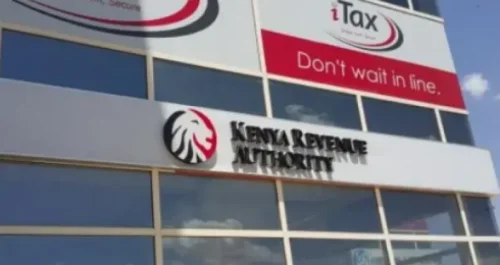
In March 2026, KRA revealed that it was stepping up scrutiny of mobile money transactions in a fresh crackdown targeting taxpayers who file nil returns.
The move followed growing concerns that some individuals may be underreporting income despite active financial activity on mobile money payment platforms.
Speaking on Wednesday, March 25, 2026, during a creative engagement on fiscal justice with the youth and media, Maurice Oray, KRA’s deputy commissioner in the Policy and Tax Division, revealed that the authority will monitor all sources of income after observing a trend among sections of Kenyans who file nil returns.
According to the KRA’s commissioner, the surveillance now includes transactions conducted on mobile money platforms, noting that the taxman already holds significant financial data on taxpayers and will increasingly use this information to verify declarations.
Author
Mustafa Juma
View all posts by Mustafa JumaLatest News




Advertisement
More on Business