Advertisement
Kesses MP Julius Rutto warns Kenya’s debt burden leaves little room to avoid new taxes
Tuesday 09th June, 2026 08:20 AM|

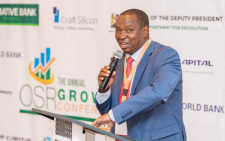
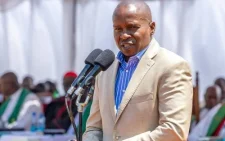
Kesses MP Julius Rutto says the public has made it clear that they do not want additional taxes, but warns that Kenya is already locked into heavy expenditure commitments that cannot be wished away.
Speaking during an interview with a local station on Tuesday, June 9, 2026, Rutto warned that Kenya’s fiscal structure is increasingly constrained by mandatory obligations that must be met regardless of public sentiment.
He pointed to the scale of debt repayment and domestic borrowing needs as key pressure points.
Rutto argues that the country’s fiscal reality is being shaped more by debt obligations and fixed spending than by political preference or public sentiment.
You Might Also Like


“The public is saying they do not need additional taxes,” Rutto said, adding that the situation facing the country is “inevitable” because of rigid expenditure demands already in place.
He noted that the government must set aside about KSh1.5 trillion for debt repayment and interest obligations, alongside approximately KSh980 billion for domestic borrowing requirements.
“Our obligations have to be done,” he said, stressing that these commitments are already predetermined within the national budget framework.
Money locked in government obligations
According to Rutto, the scale of borrowing means significant resources are absorbed by government obligations rather than flowing into productive sectors of the economy.
He argued that this dynamic reduces liquidity in the private sector, affecting how money circulates within businesses and the wider economy.
“That tells you that money is taken by the government, not by business people. It is not running in the economy directly,” he explained.
Tax debate intensifies
Rutto further observed that both citizens and the business community are increasingly resistant to new taxation measures, particularly VAT-related adjustments.
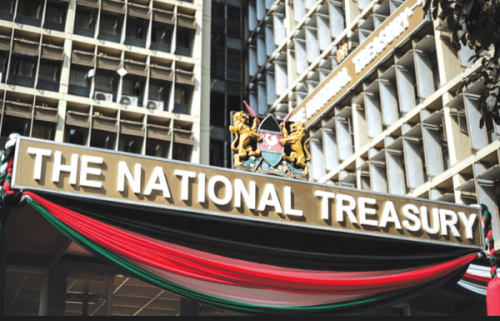
He said businesses have urged policymakers to reconsider tax policies and maintain zero-rated items where possible, warning that additional tax pressure could further strain economic recovery.
“We have a huge problem. The members of the public do not need an additional tax. Businesses are saying please reconsider, especially on VAT and maintaining zero rates,” he said.
The debate now places policymakers in a difficult position: balancing rising debt obligations with growing public opposition to new taxes while trying to sustain economic stability.
Author
Latest News


Advertisement
More on Business