Advertisement
Iran war chokes Kenya’s livestock and meat export revenues by Ksh250M weekly
Saturday 04th April, 2026 12:00 AM|

Kenya’s livestock and meat exporters are losing Ksh250 million weekly due to disruptions caused by the Middle East conflict, the National Treasury has revealed.
This means that livestock and meat exporters have so far lost about Ksh1 billion due to disruptions in the main Gulf Cooperation Council (GCC) market bloc, which accounts for about 85 per cent and 68.9 per cent of the country’s livestock and meat exports, respectively.
“Disruptions to these markets have led to an estimated revenue loss of about Ksh250 million per week, with Kenya’s six licensed export slaughterhouses operating at near-zero capacity,” Treasury Cabinet Secretary John Mbadi told the National Assembly’s Finance and National Planning Committee on Thursday, April 2, 2026.
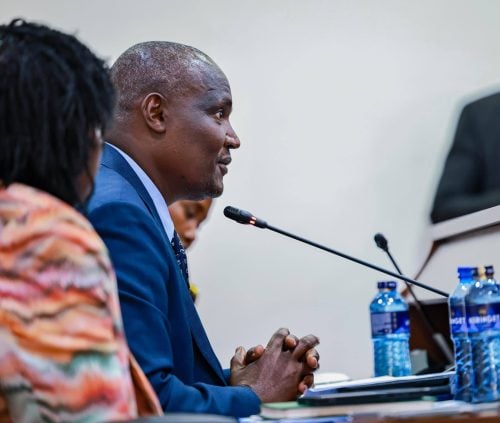
“Domestically, the loss of export outlets has resulted in livestock oversupply, driving down farm-gate prices and compressing producer incomes, particularly among pastoralist communities,” he added.
You Might Also Like


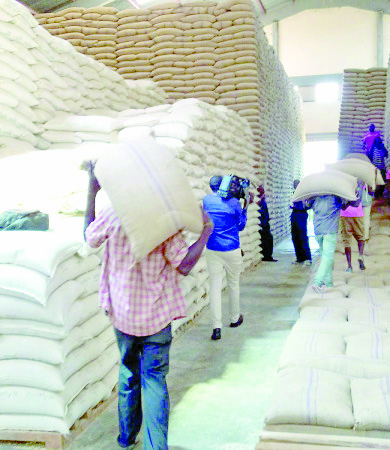
Mbadi said the situation has also triggered significant job losses across the value chain, including in slaughterhouses, transport, and processing.
He said that to address the emerging challenges, urgent policy responses are required, including diversifying export markets to the European Union (EU), China, the US, and other African markets.
The CS further told lawmakers that interim measures should include negotiating temporary cargo arrangements on alternative routes to maintain some export flow.
“In the medium term, investment in cold chain infrastructure is critical to reduce logistical vulnerability,” he said.
The Iran War deals a double blow to Kenya, which has been struggling to maximise opportunities in the Gulf market.

Stashed tonnes
Kenya’s meat export industry is facing unprecedented disruptions as geopolitical tensions in the Middle East block key trade routes, leaving over 200 tonnes of meat stranded in local facilities.
According to Waweru Kamau, Production Manager at Juja International Abattoirs, the situation has been exacerbated by the sudden suspension of shipping services, forcing exporters to halt operations temporarily even as oil prices surge.
“For all the facilities, we export up to between 125 and 130 tonnes every day. And all that goes to the Middle East. As we speak now, all the meat that was sorted on Friday is still lying in the chillers of our facilities. We are talking of over 200 tonnes that have not moved because slaughterhouses have decided to let staff stay home,” he said.
The Middle East has long been the largest market for Kenyan meat, with the United Arab Emirates accounting for about 60 per cent of exports. Other importers include Saudi Arabia, Oman, and Kuwait.
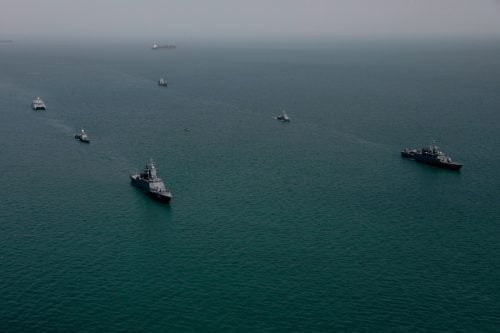
However, trade disruptions have now created a bottleneck for both air and sea shipments.
Normally, most exported meat is chilled and sent by air, while frozen products travel via sea. Kamau noted that while they had considered shifting stranded meat to frozen storage for sea transport, shipping lines have also been affected.
“Yesterday, around 11, we received communication from Masterline CMA Shipping Line telling us that they have suspended their operations to Oman and the Middle East indefinitely,” he revealed.
“They say temporarily, but we don’t know when. That means over 200 tonnes of meat lying in our chillers could go to waste.”
The disruption comes amid an already complicated export volume. Kenya has faced bans on meat exports to certain countries in the past, such as Qatar, which has been closed since September 2021 due to foot and mouth disease outbreaks.
“It is more than just disease; it is the geopolitics of the business. Our neighbours have been exporting to these markets until recently, when they were banned. Sudan used to be the biggest exporter because many veterinary doctors working there were from Sudan, Kamau explained.
“We have raised this matter with the relevant authorities and addressed it with the ministers responsible, but it has all been futile. They are unable to play the politics they are supposed to fix.”
Author
Latest News




Advertisement
More on Business