Advertisement
How to choose the best stock trading broker in 2026
Monday 05th January, 2026 07:18 AM|

Finding a broker in 2026 is not difficult. There are dozens of options, sleek sign-up pages, and promises of speed, access, and tools.
The harder part is choosing one you still feel comfortable using once trading stops being exciting and starts becoming routine.
Most people do not realise they have picked the wrong broker straight away. It usually shows up later, when small frustrations begin to repeat themselves and the experience starts to feel heavier than it should.
How you trade
Before comparing features or reading reviews, it helps to take a step back and look at your own habits. Not the habits you hope to have in the future, but the ones you already have.
You Might Also Like



Do you check markets occasionally or obsessively? Do you prefer holding positions for a while, or do you react quickly when prices move? These details matter more than most feature lists.
The platform you use every day has more influence than most people admit. A crowded interface can make everything feel urgent, even when it is not.
A calmer layout tends to slow decision-making in a good way.
A solid platform for stock trading does not try to impress you every time you log in. It makes prices easy to read, orders easy to place, and account details easy to understand. If you are constantly hunting for basic information, that friction adds up.
Over time, small design choices shape how often people trade and how confident they feel doing it.
Cost matters
Fees often dominate the early conversation when choosing a trading broker, and rightly so, but low costs alone do not define a good experience.
Execution quality, transparent pricing, and how trades perform during busy market periods can have a far greater impact than a marginally cheaper rate. The same applies to market data: it is invisible when it works, but the moment prices do not line up, or charts feel off, confidence erodes.

Moreover, accurate and consistent data underpin sound judgement, especially for traders who rely on technical analysis.
Effective support is not about constant hand-holding; it is about quickly resolving the occasional issue without friction.
When pricing is clear, data is reliable, and help is easily accessible, trading feels smoother, more trustworthy, and far less stressful overall.
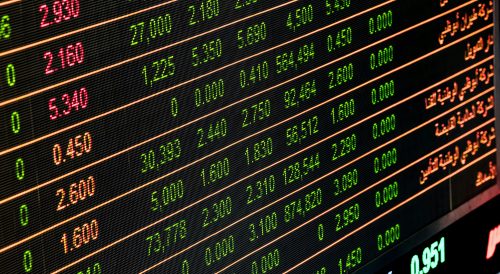
Usability reveals true value
Risk controls are only effective when they are easy to access and natural to use. If position sizing or stop settings are hidden or awkward to adjust, they are often skipped, especially in fast-moving markets.
The most effective platforms integrate risk management seamlessly into the trading flow, making disciplined behaviour easier to maintain.
Spending time inside the platform, through a demo or low-exposure use, reveals far more than reviews ever can.
You quickly sense whether trading feels calm or rushed, intuitive or confusing, and whether the information feels trustworthy.
Ultimately, the right broker continues to work as your needs evolve, offering flexibility, clarity, and reliability long after the initial decision.
Author
Latest News








Advertisement
More on Business