Advertisement
Why Ruto cannot ignore Bungoma’s reception of Sifuna
Sunday 26th July, 2026 01:41 PM|
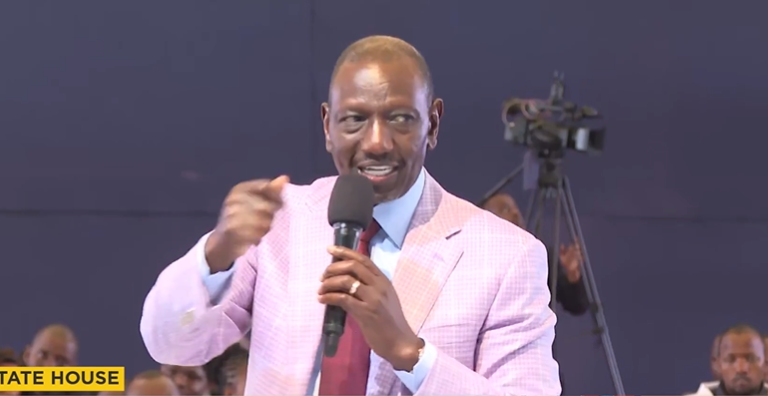
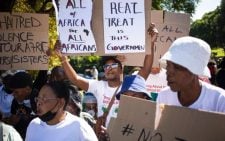
President William Ruto’s decision to head to Busia on Sunday, July 26, 2026, even as Nairobi Senator Edwin Sifuna’s Linda Mwananchi movement held rallies across Trans Nzoia and Bungoma, placed Western Kenya at the centre of an increasingly competitive political contest ahead of the 2027 General Election.
The timing was politically significant.
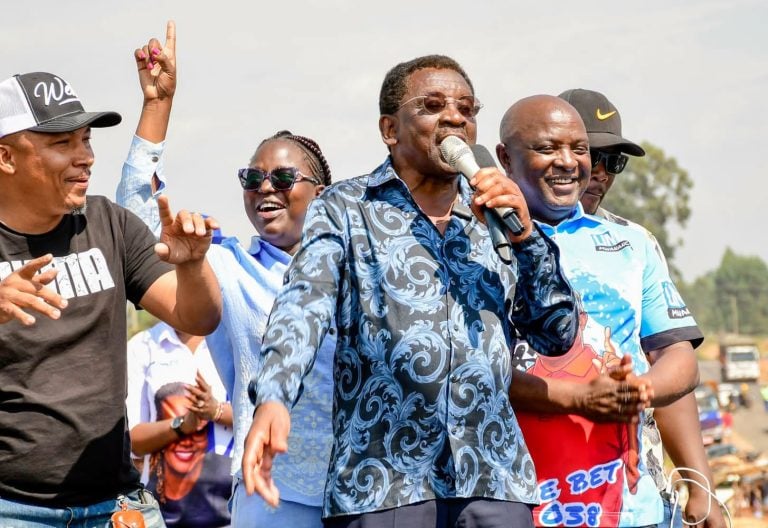
While Ruto attended the consecration and enthronement of Vitalis Job Ekuru as the fourth Bishop of the Anglican Church of Kenya’s Katakwa Diocese in Amagoro, Busia County, Sifuna’s movement was taking its message directly to voters in Kiminini, Kimilili, Chwele and Bungoma town.
Western Kenya is becoming a political battleground
For years, political parties have understood the importance of Western Kenya. But the latest events show that the region is no longer simply waiting to be courted by established political formations.
You Might Also Like


Sifuna is attempting to build momentum around a message of democratic governance, accountability and a government that respects devolution, which largely resonates with locals.
During the tour, he accused the president of frustrating county governments by withholding adequate funding.
“Lusaka kama Governor unajua adui mkubwa wa ugatuzi, yule mtu amekufinyilia kama Governor ni William Ruto,” Sifuna said.
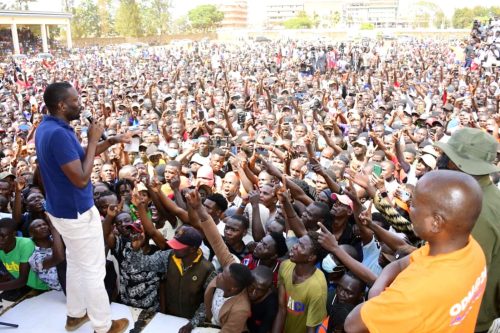
He added that efforts in the Senate to push more funds to counties were being frustrated by the national government.
Whether one agrees with Sifuna or not, the message is politically calculated. Devolution remains a powerful issue in counties where residents directly experience the impact of funding delays and inadequate resources.
Sifuna’s grassroots politics
Sifuna is also attempting to build a different political model, one funded by ordinary Kenyans rather than a few wealthy individuals.
He has repeatedly said that small contributions from Kenyans are preferable to billions from wealthy financiers who may later demand tenders and other favours from government.
“It is better to owe Kenyans than to owe a few rich people who will demand tenders once we form government,” he said.
His promise to repay the Ksh10 contributions by reducing fuel prices by Ksh10 if elected President adds a simple, easily understood economic message to his growing political campaign.
Whether the promise is realistic is another question. But politically, it is a message that ordinary voters can easily understand.
Ruto cannot dismiss the crowds
A large rally does not automatically translate into votes. Kenya’s political history is full of politicians who attracted huge crowds but struggled at the ballot.
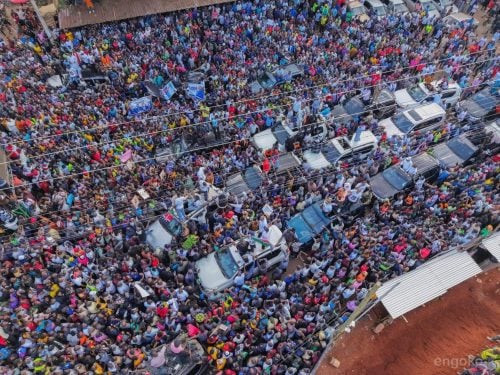
Sifuna is not only attacking the government. He is also offering voters a political alternative centred on democracy, accountability, and opposition to what he describes as excessive concentration of power.
His remarks on affordable housing and the president’s controversial directive on dealing with violent protesters have also given his campaign issues that can easily generate public debate.
“Unajenga affordable housing alafu unapeana ‘shoot-to-leg directive’, tulikuwa tufike aje kwa ghorofa bila mguu?” he asked.
The battle is only beginning
The growing exchange between Ruto and Sifuna shows that the senator is increasingly becoming a political voice the government cannot easily ignore.
The president has already responded to Sifuna’s criticism of high-rise affordable housing, dismissing his argument over how residents would keep chickens in 12-storey buildings.
That exchange may appear light-hearted, but it reveals something bigger: the political contest is already taking shape.
Ruto’s visit to Busia and Sifuna’s rallies in Bungoma and Trans Nzoia were not necessarily a direct contest. But politically, they sent the same message , Western Kenya is open for persuasion.
Author
Latest News

Advertisement
More on Inside Politics