Advertisement
Govt moves to clear Ksh6.8B coffee debt
Tuesday 31st March, 2026 01:29 PM|
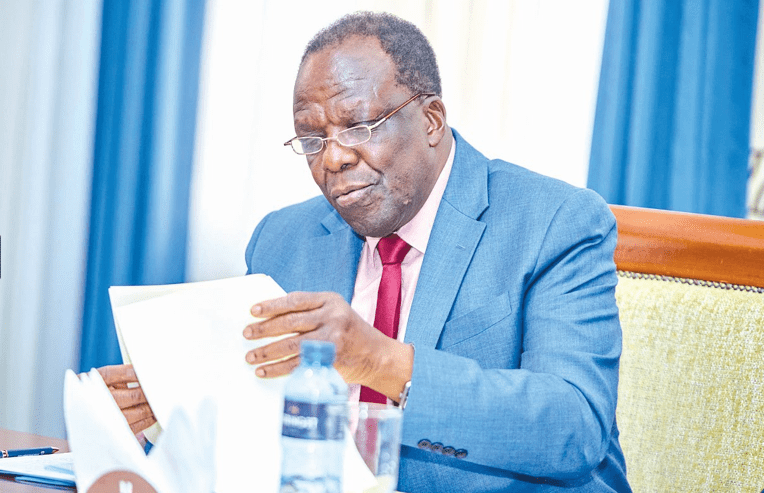
The government has moved to settle Ksh6.8 billion in verified coffee debts in a major effort to stabilise the sector and boost national coffee production. Cabinet Secretary for Cooperatives and MSMEs, Wycliffe Oparanya, stated that only audited and legitimate claims will be honoured, warning that fictitious loans will not be covered and could lead to prosecution.
In a statement posted on MyGov on Tuesday, March 31, 2026, Oparanya emphasised that strict verification mechanisms have been applied, ensuring that only debts supported by proper documentation and approved minutes qualify.
He added that any cooperative society whose debt is not reflected in the audited report will have to settle those obligations internally. Ksh2 billion has already been set aside for the first phase of payments.
“Any cooperative society whose debt is not reflected in the audited report will have to resolve those obligations internally,” Oparanya said, adding that Ksh2 billion has already been set aside for the first phase of payments.
You Might Also Like


In a significant policy shift, Oparanya prohibited cooperative societies from purchasing their own milling machines. Instead, milling services will be centralised under the New Kenya Planters Cooperative Union (KPCU). The move is intended to reduce costs, eliminate idle equipment, and cut expenses associated with specialised staff, maintenance, and security.
He explained that any society in need of milling services will be able to engage the New KPCU at minimal cost. Shared services will help lower processing expenses for farmers.
The government has also barred cooperatives from seeking loans from commercial banks for inputs or cherry advances.
Farmers to access inputs and affordable loans
To support farmers, Oparanya highlighted the Cherry Advance Revolving Fund (CCARF) and the Direct Settlement System (DSS). Through CCARF, farmers can access affordable loans for inputs and household needs, while DSS ensures payments are deposited directly into farmers’ accounts within five days of coffee sales at the Nairobi Coffee Exchange.
Oparanya emphasised that with these measures in place, there is no justification for societies to borrow from commercial lenders.
Beyond debt relief, the government is targeting a tripling of annual coffee production from 50,000 metric tonnes to 155,000 by 2028. Oparanya highlighted expansion into new zones and increased acreage, underlining coffee’s role as a critical foreign exchange earner. He said the reforms are designed to restore Kenya’s global competitiveness.
Author
Latest News








Advertisement
More on Business