Advertisement
Govt announces Ksh2B maize subsidy amid inflation concerns
Wednesday 25th March, 2026 08:24 AM|

The government has unveiled a Ksh2 billion maize subsidy programme aimed at easing pressure on farmers and stabilising food prices as inflation continues to bite across the country.
The intervention comes at a critical time, with rising input costs and unpredictable weather patterns having strained agricultural productivity and pushed up the cost of basic commodities such as maize flour.
Under the new directive issued by the Ministry of Agriculture, prices of certified maize seeds have been reduced significantly to make them more accessible to farmers ahead of the planting season.
“Big win to our farmers as subsidised maize seed prices take effect tomorrow at 11 am (Wednesday) after the Kenya Seed system update. We are making seeds more affordable nationwide,” Agriculture Cabinet Secretary Mutahi Kagwe wrote on X on Tuesday, March 24, 2026.
You Might Also Like



Under the new pricing structure, a 1kg packet of maize seed will retail at Ksh260, while a 2kg packet will go for Ksh525.
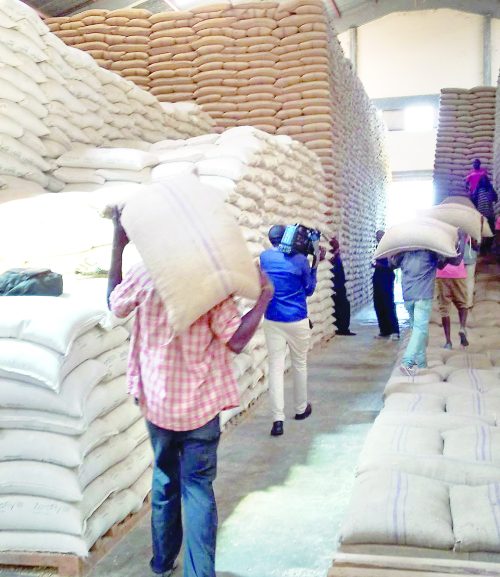
The move follows a Presidential order communicated through the Chief of Staff and Head of Public Service, calling for the urgency of boosting food production and cushioning households from the high cost of living.
Kagwe said the revised prices will take effect immediately after system updates at the Kenya Seed Company. A 1kg packet of maize seed will now retail at Ksh260, while a 2kg packet will cost Ksh525.
Larger packages have also been subsidised, with a 10kg bag going for Ksh2,625 and a 25kg bag priced at Ksh6,560.
The Ksh2 billion allocation to the Kenya Seed Company is expected to facilitate the swift rollout of the programme nationwide. By lowering the cost of farm inputs, the CS said the government hopes to encourage more farmers to plant maize, ultimately increasing supply in the market.

This intervention is part of a broader strategy to address inflationary pressures linked to food shortages. Maize, being Kenya’s staple food, plays a central role in household consumption, and any fluctuation in its supply directly affects the price of unga.
By supporting farmers at the production stage, Kagwe also said the government aims to create a ripple effect that will gradually reduce retail prices for consumers.
Farmers have long called for subsidies to offset the rising cost of inputs such as seeds and fertiliser. Many have struggled to maintain production levels, particularly after the 2025 disappointing harvest, which fell below the projected 70 to 80 million bags due to erratic rainfall.
However, there is cautious optimism within the sector. The Kenya Meteorological Department has forecast a possible return of El Niño conditions later this year, which could bring improved rainfall and better harvests. Combined with the subsidy programme, this could significantly enhance maize output.
Author
Latest News





Advertisement
More on Business