Advertisement
Global lenders warn Iran war will push food prices higher
Thursday 09th April, 2026 07:51 AM|
The world’s top financial and humanitarian institutions have warned that the war in the Middle East is already driving up food prices and could deepen hunger across vulnerable countries.
In a joint statement released on April 8, 2026, the heads of the International Monetary Fund (IMF), the World Bank Group and the World Food Programme (WFP) said the conflict is disrupting global energy markets and putting pressure on food systems.
“The Middle East war is upending lives and livelihoods in the region and beyond,” the three institutions said. “It has already triggered one of the largest disruptions to global energy markets in modern history.”
They pointed to sharp increases in oil, gas and fertiliser prices, combined with transport bottlenecks, as key risks.
You Might Also Like

“Sharp increases in oil, gas, and fertilizer prices, together with transport bottlenecks, will inevitably lead to rising food prices and food insecurity,” the institutions said.
The warning comes as humanitarian agencies report early signs of strain in several countries. The WFP said in March that rising fuel and food costs linked to the conflict could push millions closer to hunger, especially in fragile economies.
Low-income and import-dependent countries are expected to feel the greatest impact. Many of these nations rely heavily on global markets for food and fuel, leaving them exposed to price shocks.
“The burden will fall most heavily on the world’s most vulnerable populations,” the statement said, highlighting concerns for countries already dealing with high debt and limited public spending capacity.
Governments in such economies may struggle to respond. Higher fuel costs often feed into transport and food prices, while existing debt burdens reduce room for subsidies or emergency support.
The conflict has also disrupted supply chains in ways that go beyond the region. According to the WFP, shipping routes and key transport corridors have come under pressure, affecting the movement of goods such as fertiliser.
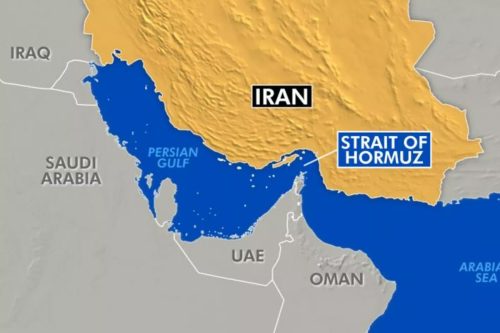
A large share of global fertiliser supplies passes through the Strait of Hormuz. Any disruption there could reduce availability, lower crop yields and push global food prices even higher.
At the same time, oil prices have risen sharply since the conflict escalated. This has increased transport and production costs, adding to inflation risks worldwide.
Rising costs strain aid
On the ground, the impact is already visible. In Lebanon, internal displacement has increased, adding pressure to a population that was already facing high levels of food insecurity. In Gaza, early border closures triggered steep food price rises, and although some crossings have reopened, prices remain elevated.
In Iran, existing economic challenges have worsened the situation. High inflation and a weakening currency had already reduced households’ purchasing power before the latest escalation.
Humanitarian operations are also under strain. The WFP said longer shipping routes and congestion are delaying deliveries, which could leave vulnerable communities waiting longer for assistance.
To manage the disruption, the agency is adjusting supply routes and relying more on alternative corridors through countries such as Türkiye, Egypt and Jordan. It is also using overland transport where possible to keep supplies moving.
Despite these efforts, costs are rising. Higher fuel prices and logistical challenges are making it more expensive to deliver aid, putting additional pressure on already stretched resources.
The three institutions said they will continue to work together to monitor the situation and respond where needed.
“Our institutions will continue to monitor developments closely and coordinate the use of all available tools to support those impacted by the crisis,” they said.
They also pledged to act within their mandates to protect lives and support recovery efforts.
“We will provide support to safeguard lives and livelihoods, and to lay the foundations for a resilient recovery that delivers stability, growth and jobs,” the statement added.
While there is no full-scale global food crisis yet, officials have warned that the risk is growing. Much will depend on how long the conflict lasts and whether key supply routes remain open.
For now, the message from global institutions is clear: the longer the disruption continues, the higher the cost for the world’s poorest.
Author
Kenneth Mwenda
Kenneth Mwenda is a business, sports, and politics digital writer with over seven years of experience in journalism, covering breaking news, feature stories, and in-depth analysis across a range of beats.
For inquiries, he can be reached at [email protected]
View all posts by Kenneth MwendaLatest News








Advertisement
More on Business