Advertisement
Explainer: Conditions that must be met before govt implements tax reduction measures
Wednesday 25th February, 2026 08:17 AM|

The government has clarified that its promised reductions in key taxes, including Pay As You Earn (PAYE), Value Added Tax (VAT), and income tax, will only be implemented after specific fiscal conditions are met, underscoring a cautious approach that seeks to balance taxpayer relief with economic stability.
Nearly three weeks after assurances from William Ruto and Treasury Cabinet Secretary John Mbadi that the administration intends to lower major taxes to ease the cost of living, the National Treasury has now linked the proposed cuts to measurable expansion of the tax base.
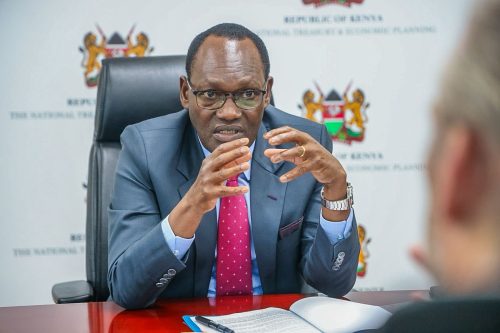
PS Kiptoo explained that the government’s strategy is anchored on widening revenue collection coverage before lowering rates, meaning the administration must first bring more individuals and businesses, particularly those operating in the informal sector or evading compliance, into the formal tax system.
You Might Also Like
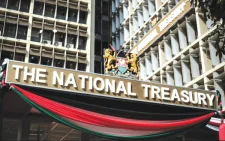
He said the Treasury is working closely with the Kenya Revenue Authority (KRA) to identify innovative enforcement and monitoring mechanisms that will improve compliance levels and reduce leakages.
“We are very serious about reducing tax rates just as the CS said and as envisioned in our medium term revenue strategy and tax policy. We would like to reduce taxes; we want to see PAYE, VAT, and income tax come down. However, this will only be possible if we expand the tax base,” Kiptoo stated.
The approach reflects fiscal caution at a time when expenditure projections for the 2026/27 financial year remain high and public financing pressures persist.
Tax relief?
Lawmakers have questioned how the government intends to manage potential revenue shortfalls if tax reductions are introduced prematurely and have asked the Treasury to provide clearer timelines for presenting formal proposals.
The Treasury has yet to table any tax reduction amendments in Parliament, noting that the budget formulation process and the upcoming Finance Bill are still at an early stage.
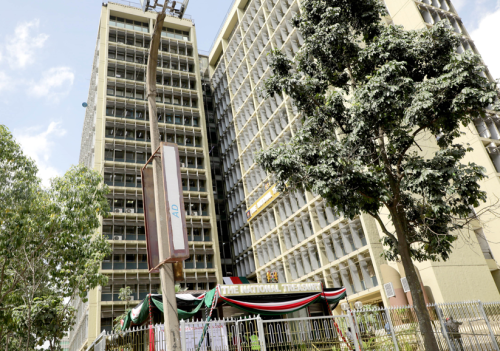
Among the proposals under consideration is a plan to reduce the current 30 per cent income tax rate to about 25 per cent for salaried workers earning up to Ksh50,000 per month, subject to legislative approval and revenue performance.
However, MPs have emphasised that these measures will only proceed if revenue collection improves sufficiently to offset the projected losses.
To strengthen enforcement capacity, the government has allocated an additional Ksh20 billion to the revenue authority in the 2026/27 financial year, a move intended to enhance compliance monitoring and expand the taxpayer register.
The reforms are expected to align with the country’s Medium Term Revenue Strategy and national tax policy framework, which aim to simplify taxation systems, harmonise laws and create space for gradual adjustments.
In essence, the administration’s position is that tax cuts are conditional rather than immediate, and that expanding the tax base is the central prerequisite for delivering lower rates without destabilising the fiscal framework.
Author
Latest News





Advertisement
More on Business