Advertisement
Customs windfall as State rethinks revenue strategy
Friday 18th July, 2025 02:40 AM|

Despite a challenging global trade environment and a weakened domestic currency, the Kenya Revenue Authority’s Customs and Border Control Department emerged as a key pillar of national revenue, collecting Sh879.33 billion in the 2024/25 financial year.
This accounted for nearly half of KRA’s total Sh2.5 trillion collection, exceeding its annual target by 105.9 percent and marking a significant jump in growth to 11.1 per cent from the previous year’s 4.9 per cent.
The performance comes at a time when Kenya is grappling with fiscal pressures, debt repayments, and increasing social spending.
“This denotes a performance rate of 105.9 per cent at the close of the 2024/2025 Financial Year, translating to an average daily collection of Sh3.546 billion,” said custom’s boss Dr. Lilian Nyawanda.
You Might Also Like


Revenues were balanced between Oil and Non-Oil segments, with Oil taxes growing by 12.5 percent to Sh338.28 billion and Non-Oil revenues rising 10.3 percent to Sh541.05 billion—an encouraging sign of resilience in local demand and economic diversification. Import duty collections surged by 18.3 per cent to Sh157.87 billion, largely fueled by increased imports in agriculture and steel, up by 67 per cent and 39 per cent respectively.
Strategic levies also delivered gains as the Railway Development Levy rose by 15 per cent, while the Road Maintenance Levy posted a dramatic 50.9 per cent jump following a rate hike from Sh18 to Sh25 per litre. This shift to consumption-based funding is aligned with the government’s goal to finance infrastructure without piling on more debt.
Port, bonded warehouse collections
Enforcement played a central role. Illicit goods worth Sh549 million, including 40,000 litres of ethanol hidden in molasses, were seized. Regions like Western and Rift Valley recorded revenue growth of 122 and 117 per cent respectively, reflecting enhanced field operations and compliance. Port and bonded warehouse collections rose 15 and 17 per cent, showing stronger oversight at key trade nodes.
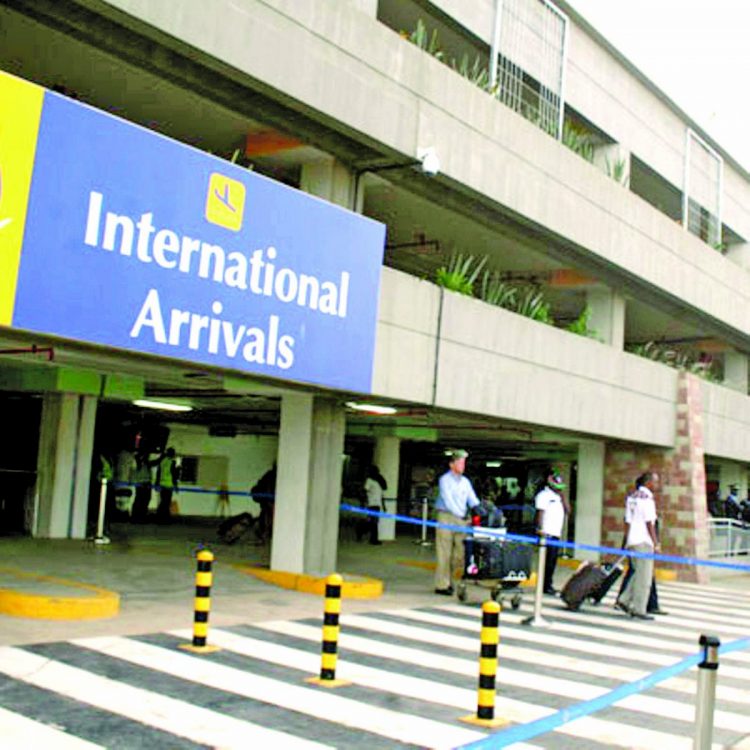
Meanwhile, KRA’s centralized clearance reform has slashed cargo processing time from 110 hours to 42—boosting Kenya’s competitiveness as a regional trade gateway.
The opening of new trade facilitation centres in Turkana’s Kainuk, Lodwar, and Kakuma also signals intent to decentralize and integrate border economies.
Import tax exemptions—particularly for sugar, rice, and cooking oil—were trimmed by 37.4 percent, helping close long-standing loopholes.
With Kenya under intense pressure to reduce its fiscal deficit and meet IMF-supported reform milestones, C&BC’s performance is timely. The Sh879 billion collected by Customs represents a substantial portion of total national revenues and will likely help buffer against shortfalls in other underperforming tax heads such as PAYE or VAT.
Though motor vehicle tax collections grew modestly at 0.8 per cent, the Customs department’s broader performance more than offset such shortfalls, underscoring the need for sustained innovation in tax policy.
With the country under pressure to meet IMF-backed reforms and narrow its fiscal deficit, this performance demonstrates a well-calibrated enforcement and digital solutions drive that may enhance national resilience without stifling trade or growth.
Author
John Otini
View all posts by John OtiniLatest News






Advertisement
More on Business