Advertisement
Central Bank Monetary Policy Committee warns of rising global inflation pressures in 2026
Thursday 11th June, 2026 08:31 AM|
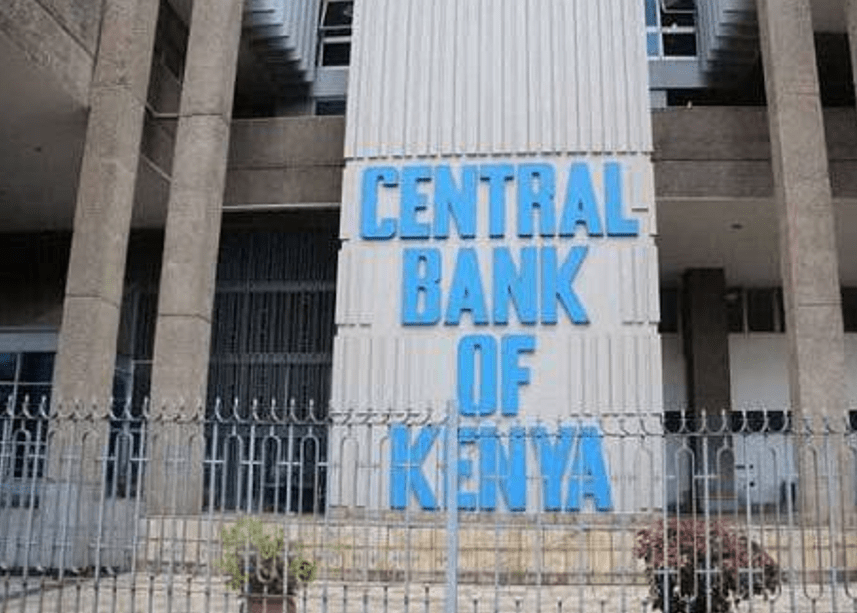
Global inflation is expected to rise in 2026 on account of higher energy prices and transport costs attributed to supply chain disruptions from the Middle East crisis, the Monetary Policy Committee (MPC) has warned.
“Global inflation is expected to increase in 2026 on account of higher energy prices and transport costs attributed to supply chain disruptions from the Middle East crisis,” the MPC report states.
The committee further notes that global inflation is expected to increase beyond earlier expectations, raising fresh concerns about the stability of the global economic recovery.
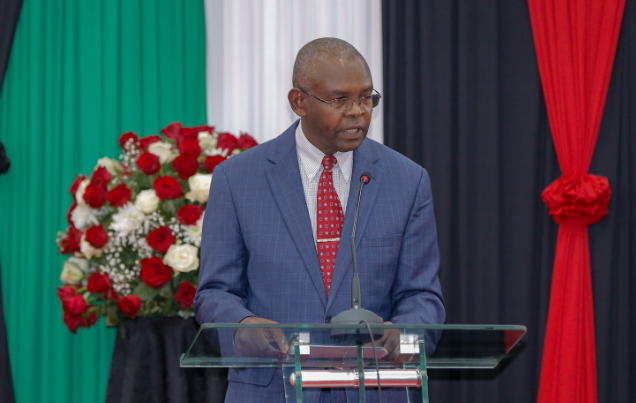
Speaking during the release of the MPC report on Wednesday, June 10, 2026, Central Bank of Kenya Governor Kamau Thugge said global economic conditions remain fragile, with emerging risks threatening to reverse recent gains in price stability.
Inflation outlook turns cautious
You Might Also Like
The outlook points to renewed price pressures after a period of gradual easing in global inflation levels, raising fresh concerns for both advanced and emerging economies already grappling with cost-of-living challenges.
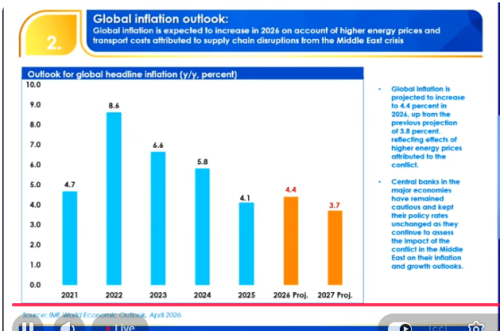
According to the outlook, global headline inflation is projected to edge upward in 2026 before stabilising in 2027, reflecting volatility in key global commodities and persistent disruptions in trade and logistics networks.
Inflation forecast revised upward
The committee further warned that inflation expectations have been revised higher compared to previous projections.
“Global inflation is projected to increase to 4.4 percent in 2026, up from the previous projection of 3.8 per cent, reflecting effects of higher energy prices attributed to the conflict,” the report states.
/X
Energy and transport costs drive pressure
The Monetary Policy Committee notes that energy markets remain highly sensitive to geopolitical developments, with oil and fuel prices expected to remain a key driver of inflationary pressure.
Transport costs, which heavily influence the price of goods and services, are also projected to remain elevated due to longer shipping routes and increased insurance costs arising from global uncertainty.
Fragile global recovery under strain
The committee observes that while inflation had shown signs of moderation in recent periods, the new risks emerging from global supply chain instability could reverse some of the gains made in price stability.
Economists warn that sustained increases in energy prices could have a ripple effect across economies, influencing production costs, household spending, and overall economic recovery.
Kenya at risk
For import-dependent economies like Kenya, the outlook presents additional policy challenges. Higher global inflation often feeds into domestic prices, affecting food, fuel, and manufactured goods and potentially complicating monetary policy decisions.
Policy makers on alert
The warning underscores the fragile nature of the global recovery, where geopolitical tensions and supply chain disruptions continue to shape economic prospects.
As 2026 approaches, policymakers are expected to balance growth ambitions with inflation control measures in an increasingly uncertain global environment.
Author
Latest News







Advertisement
More on Business