Advertisement
Business leaders decry tax burden, call for value in public spending
Monday 21st July, 2025 06:40 AM|
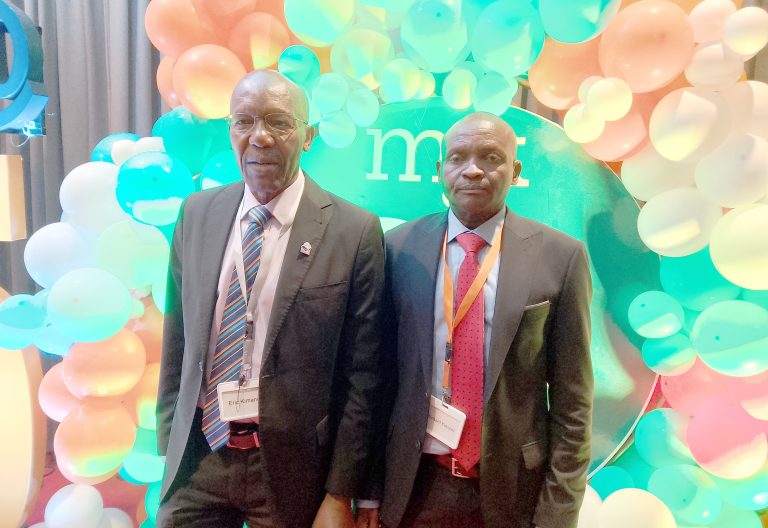
Kenya’s business leaders are raising concerns over the country’s high tax regime, blaming it for escalating production costs and eroding consumer demand.
The sentiment, echoed by top entrepreneurs, paints a stark picture of the country’s strained economic landscape, with executives warning of a vicious cycle triggered by over-taxation and reduced purchasing power.
During the 25th anniversary of MGK, an audit and financial services firm, Eric Kimani, founder of Palmhouse Dairies and a renowned philanthropist, voiced frustration over the widening gap between tax obligations and the quality of government service delivery.
“Tax is only one issue, but a big one,” he said. “Before 2023, tax was Ksh30 out of every Ksh100. Now it’s Ksh35. That’s a Ksh5 loss—and consumption is down too. When you tax more, fewer people can afford to spend. The government ends up collecting even less.”
You Might Also Like



According to the Federation of Kenya Employers, average tax rates now consume between 35 and 45 per cent of income, significantly weakening consumer purchasing power.
The informal sector is equally strained, with many grappling with stagnant or shrinking incomes amid falling demand for goods and services.
Kimani warned that the country is facing a demand crisis that’s driving businesses to scale down or shut down entirely.
“Business thrives when people eat more, spend more, and do more. But that’s not happening. Reduced consumption leads to reduced business activity. It’s a vicious cycle,” he noted.
While taxation itself isn’t the main grievance, business leaders insist on better accountability and value for money.
“Tax should fund infrastructure. We don’t mind paying, but how is it being spent?” Kimani posed.
“In some Scandinavian countries, citizens part with Ksh65 out of every Ksh100—but education, healthcare, and transport are free. That’s value.”
To navigate the turbulence, MGK founder Michael Kimani has emphasised the need for innovation, efficiency, and smart cash flow management.
“Innovation is survival,” he said.
“We’ve embraced technology, partnered with tech providers, and upgraded our tools to improve collaboration and client service.”
The strategy has proven effective, especially in the past year, with the firm investing in digital solutions that enhance operational efficiency.
“It’s about delivering more value with fewer resources,” Michael added.
Author
Print Reporter
View all posts by Print ReporterLatest News






Advertisement
More on Business