Advertisement
Africa urged to tackle Ksh13.9T infrastructure funding gap urgently
Wednesday 16th July, 2025 06:40 AM|
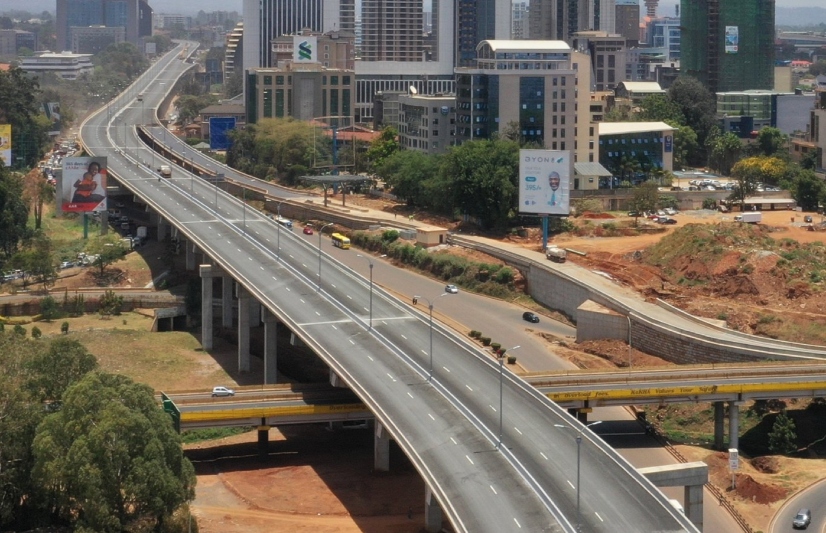
Africa must urgently mobilise funding and rethink its approach to infrastructure development if it is to bridge a staggering annual financing gap of up to $108 billion (Ksh13.9 trillion), experts have warned ahead of a high-level continental summit.
It is estimated that the continent’s infrastructure needs are estimated at $170 billion (Ksh220.1 trillion) per year, yet current investments fall significantly short, posing a direct threat to economic growth, job creation, and competitiveness.
This financing deficit will be in sharp focus at the upcoming Global Summit Series Africa, convened by the Project Management Institute (PMI), where some of the continent’s most influential policymakers, business leaders, and development practitioners will gather to recalibrate the infrastructure delivery model.
The event, scheduled for August 19, 2025, to August 21, 2025, at the Kigali Convention Centre in Rwanda, is expected to drive consensus on project prioritisation, cross-sector collaboration, and scaling up public-private partnerships (PPPs).
You Might Also Like



According to George Asamani, PMI’s Managing Director for sub-Saharan Africa, much of Africa’s infrastructure planning has been donor-dependent, fragmented, or misaligned with long-term development goals.
“This summit is about embedding professionalism and systems thinking into how we execute projects so that every dollar counts,” he said ahead of the conference. Africa’s infrastructure backlog spans transportation, energy, water, housing, and digital connectivity.
Despite pockets of progress, such as renewable energy investments in Kenya, transport corridors in East Africa, and smart cities initiatives in Rwanda and Nigeria, the challenge remains financing at scale and delivering value-for-money.
Sovereign debt levels
African Development Bank (AfDB) says closing the infrastructure gap could increase Africa’s gross domestic product (GDP) growth by 2 percentage points annually.
However, with sovereign debt levels rising and fiscal space tightening, countries are under pressure to tap alternative financing models, including blended finance, infrastructure bonds, and diaspora remittances.
The Kigali summit will also spotlight youth and technology in project delivery.
With Africa home to the world’s youngest population, PMI aims to position project management as a critical skillset in building the next generation of infrastructure leaders.
Author
Noel Wandera
View all posts by Noel WanderaLatest News





Advertisement
More on Business