2026/27 Budget: Treasury allocates Ksh68B as govt seeks to clear 99% verified pending bills
By Ndiritu Wanjiru, June 12, 2026National Treasury John Mbadi has said that the Treasury has allocated Ksh68B in the 2026/27 budget in a bid to clear 99% of verified pending bills as the government aims to boost operational efficiency and reduce spending on interest payments.
While presenting the 2026/27 Budget Statement in the National Assembly on Thursday, June 11, Treasury Cabinet Secretary John Mbadi said that to pay off a long-overdue pile of government bills that are owed to suppliers and contractors, the National Treasury has earmarked Ksh68 billion in the 2026/27 budget for the payment of such bills that have been identified.
“In the FY 2026/27, the National Treasury proposes a budgetary provision of Ksh68.0 billion to settle the verified bills to suppliers and contractors owed by the government for amounts of up to Ksh100 million. This provision will also partly settle suppliers/contractors whose pending bills exceed Ksh100 million, ensuring that no supplier is excluded,” Mbadi said.
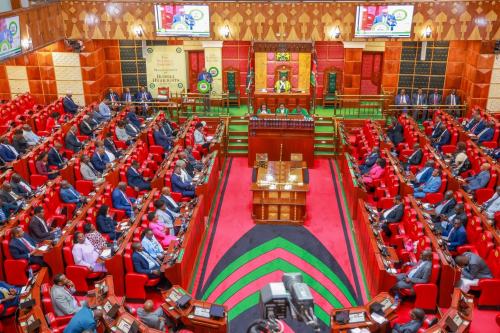
The allocation, Treasury Cabinet Secretary John Mbadi said, is part of a wider plan to clear outstanding bills that have been the bane of businesses and stalling economic activities in the country.
Ksh235.6B valid claims
The CS stated that the Pending Bills Verification Committee had finished verifying outstanding claims from suppliers and contractors of the government. He said that the committee processed 91,911 claims worth Ksh637.6 billion, with 29,885 claims whose value is Ksh235.6 billion being verified and sent for settlement.
Mbadi noted that in the roads sector, Ksh80.3 billion has been settled through securitisation, while the outstanding verified amount is Ksh155.3 billion.
“Following this verification exercise, 29,885 claims amounting to Ksh235.6 billion have been recommended for settlement. Of this amount, Ksh80.3 billion has already been settled through securitisation in the roads sector, leaving a verified outstanding balance of Ksh155.3 billion for other sectors,” he added.
The Treasury has outlined a 2-year settlement programme that starts from FY2026/27 to help liquidate the remaining debt. It involves both budgetary allocations and other methods of financing to pay suppliers in a way that is both sustainable and economically viable.
Good news for MSMEs
The amount of Ksh68 billion allocated in the 2026/27 budget will be directed towards those suppliers and contractors whose claims are up to Ksh100 million, and a part of the payments will be made to those whose claims are higher. The government says this will mean that no claimant whose claims have been confirmed will miss out on the settlement programme.
The government will have paid 99 per cent by volume (or about 63 per cent by value) of all bill claims identified as pending once the Ksh68 billion is paid.
The Treasury says the payouts will help to restore liquidity to the economy, restore business confidence and help thousands of businesses which depend on government contracts in particular.
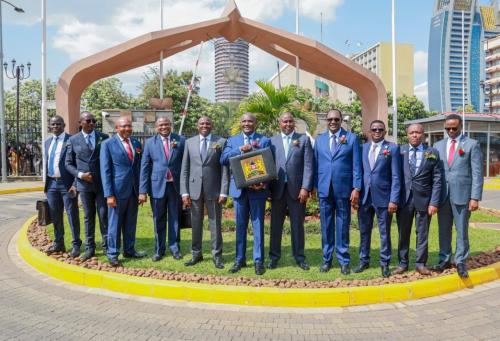
The Cabinet Secretary reiterated that prioritisation of the claims up to Ksh100 million is intentional and is geared to support the majority of suppliers who are Micro, small, and Medium Enterprises (MSMEs).
The treasury has noted that though the claims in total value are smaller, they represent most of the suppliers and have the highest multiplier effect on economic activity.
He said the clearance of bills will enable MSMEs to avail of working capital to keep their businesses running and ensure job retention and business expansion.
The remaining Ksh88 billion in claims to be verified will be resolved in the coming budgetary allocations and financial instruments to ensure the government completes its plan to clear the backlog of claims in the court system and boost the economy.