Advertisement
ADAK enlightens athletes on anti-doping tests procedure
Wednesday 19th November, 2025 02:05 PM|
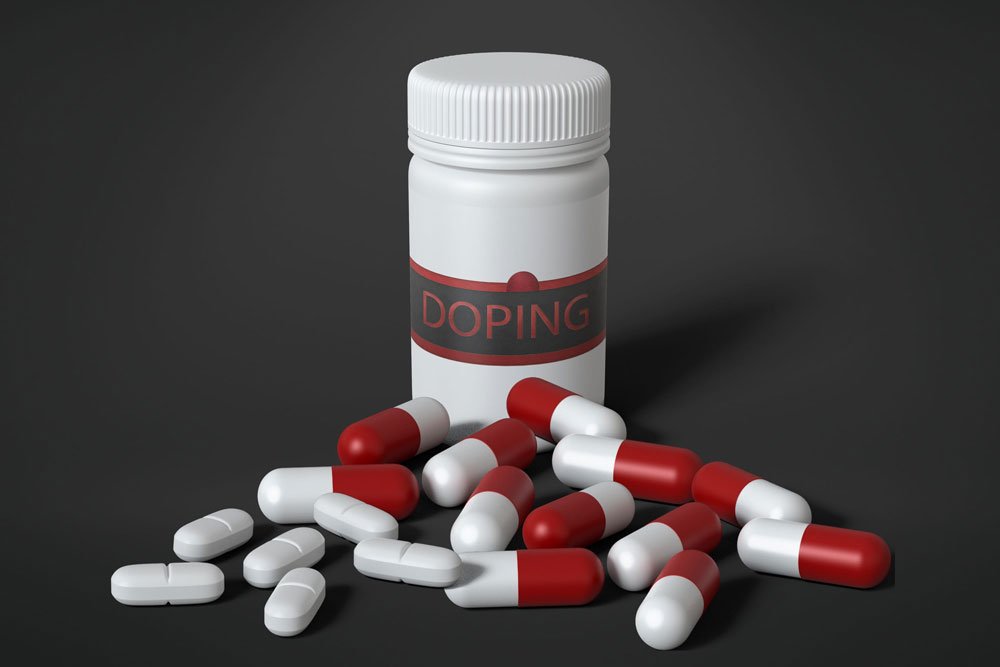
The Anti-Doping Agency of Kenya (ADAK) has enlightened local athletes on the steps taken during the anti-doping test procedure.
The agency has highlighted the step-by-step process involved in urine sample collection for doping control. The procedure, which adheres to international standards set by the World Anti-Doping Agency (WADA), ensures fairness, accuracy, and transparency during athlete testing.
Urine testing plays a crucial role in detecting prohibited substances that may enhance performance unnaturally. ADAK’s 11-stage process provides clarity on what athletes should expect during a doping control session.

The 11 stages of urine sample collection
Athlete selection: Athletes can be selected for testing at any time and place — during competitions, training sessions, or even randomly.
You Might Also Like



Notification: A Doping Control Officer (DCO) or a chaperone informs the athlete of their selection, explaining their rights and responsibilities.
Reporting to the doping control station: Athletes must proceed to the testing station immediately, except under special circumstances permitted by the DCO.
Sample collection equipment: Athletes are given a choice of at least three individually sealed containers to ensure the safety and integrity of the process.
Provision of a sample: The athlete must provide a urine sample under observation from a DCO or chaperone to prevent tampering or substitution.
Volume of urine: A minimum of 90 millilitres (ml) of urine is required for testing.
Splitting the sample: The collected sample is divided into two bottles — labelled A and B — for verification and possible future analysis if needed.
Sealing the samples: Both bottles are securely sealed following the DCO’s instructions to prevent contamination or manipulation.
Measuring specific gravity: The DCO checks whether the urine is sufficiently concentrated for accurate testing. If too diluted, additional sampling may be required.
Completing the doping control form: Athletes confirm that the details recorded are accurate and may provide comments on the testing process. They also receive a copy of the form and note the sample code for tracking.
Laboratory process: Samples are transported to WADA-accredited laboratories for thorough analysis to detect any prohibited substances or methods.
Meanwhile, ADAK emphasises that cooperation with the testing process protects clean athletes and strengthens Kenya’s reputation in global sports.
Author
Latest News







Advertisement
More on Sports