Advertisement
Willis Otieno pressures govt on loan accountability as debt continues to rise
Wednesday 10th June, 2026 11:42 AM|

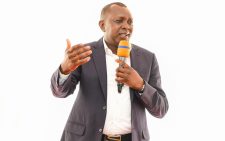
Lawyer Willis Evans Otieno has warned that Kenya’s rising debt burden is increasingly becoming a moral and economic crisis, arguing that citizens should not be forced to repay loans whose benefits they never received.
In a statement shared on his X account on Wednesday, June 10, 2026, Otieno said “odious debt” is not a theoretical concept but a lived reality for millions of Kenyans struggling under heavy taxation and austerity measures.
“Odious debt is not an abstract economic theory; it is a lived reality for millions of Kenyans who are told to tighten belts for loans they never benefited from,” he said.
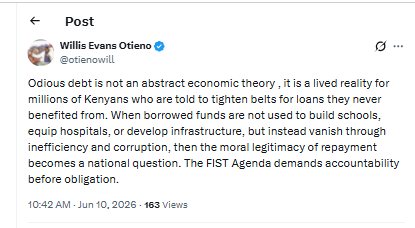
He argued that when borrowed funds fail to translate into tangible public goods such as schools, hospitals, and infrastructure, but instead disappear through corruption and inefficiency, the moral basis for repayment is fundamentally weakened.
You Might Also Like


“When borrowed funds are not used to build schools, equip hospitals, or develop infrastructure, but instead vanish through inefficiency and corruption, then the moral legitimacy of repayment becomes a national question,” Otieno stated.
He added that Kenya’s fiscal debate must shift from automatic repayment obligations to accountability and transparency in the use of public debt.
Debt pressure sparks parliamentary concern
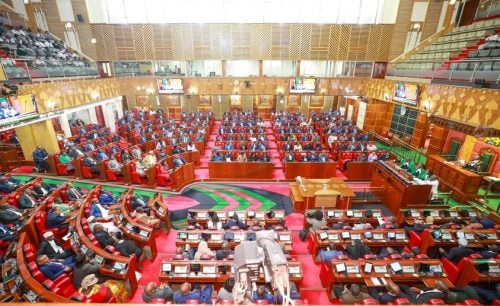
Otieno’s remarks come at a time when lawmakers have raised alarm over Kenya’s growing debt burden, warning that debt servicing is increasingly consuming a large share of national revenue.
According to the National Assembly Public Debt and Privatisation Committee, debt servicing is projected to consume up to 91 per cent of ordinary government revenue in the next financial year, raising concerns over fiscal sustainability.
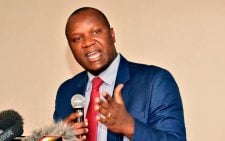
Treasury officials have acknowledged the pressure, with the National Treasury Cabinet Secretary John Mbadi noting that a significant portion of government revenue is being redirected from development expenditure to debt repayment.
“We have been shifting resources from development in this country to servicing debt,” Mbadi told MPs during a recent session.
Calls for fiscal honesty
Members of Parliament have also warned that rising domestic borrowing and shifting debt structures could further strain the economy and crowd out private sector lending.
Lawmakers urged the Treasury to present a more transparent assessment of the country’s fiscal position, cautioning that current trends could create long-term economic risks.
Against this backdrop, Otieno maintained that Kenya must confront what he termed the moral question of debt repayment, especially where borrowed funds do not directly benefit citizens.
He further emphasised that accountability must come before obligation, saying the country must interrogate how public debt is acquired, managed, and utilised.
“The FIST Agenda demands accountability before obligation,” he said, calling for a national rethink on debt governance and fiscal responsibility.
Author
Latest News






Advertisement
More on News