Advertisement
Willis Otieno: Kenyans should only pay debts approved by MPs
Tuesday 09th September, 2025 09:54 AM|

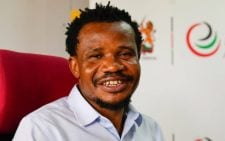
Lawyer Willis Otieno has argued that Kenyans should only pay the national debts that the Parliament has lawfully approved.
Taking to his X account on Tuesday, September 9, 2025, Willis Otieno said there is no point of overburdening the citizens when money borrowed does not do the intended work for the people.
Otieno further likened the Kenyan debt crisis to that of Mozambique, where the particular country once refused to pay its debts, and yet it still exists today. According to Otieno, this was because debt acquired without the consent of the people, for purposes that do not serve the people, is odious.
”It is not a national obligation but a private liability of those who contracted it. Kenya today sits on Ksh2.3 trillion in questionable debt, which is more than half of our budget. These loans were never meant to build schools, hospitals, or industries,” Otieno said.
You Might Also Like
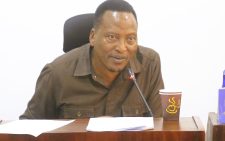
Willis Otieno added that the existing loans taken by the Kenyan government were meant to benefit individuals, but not the taxpayer.
”They were meant to enrich a few individuals. That makes them illegitimate, and illegitimate debts are not binding on the people. Ecuador (2008) declared parts of its debt illegitimate after a citizen-led audit, saving the country billions and forcing creditors to take losses. Iraq (2003) had Saddam Hussein’s debts written off as odious because they were used to finance repression and war, not development. South Africa (post-apartheid) refused to pay all of the apartheid-era debt, arguing it was incurred to sustain racial oppression. Argentina (2001) defaulted on $100 billion, the largest sovereign default in history, and still restructured its economy and markets.”
Kenya’s debt burden
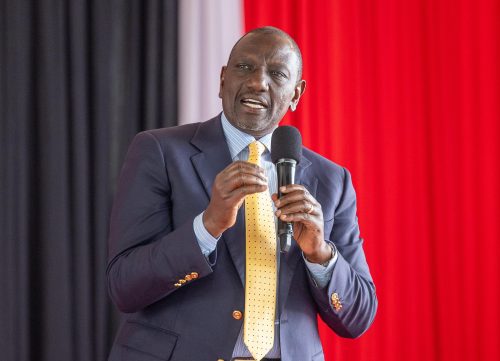
As President William Ruto marks three years in office this week, Kenya has so far borrowed Ksh3.5 trillion. Economists now warn that the rising debt is unhealthy.
Willis Otieno also said continuing to service odious debt is irrational. ”It crowds out development, diverts scarce tax revenue into foreign accounts, and condemns future generations to slavery for loans they never consented to. As economists say, you cannot squeeze growth out of a society by taxing it to death for the sins of its rulers. Kenya has three rational choices: Reschedule debt to free fiscal space.”
”Default strategically (Debt Distress Exchange) to force restructuring. Declare odious debt and pay only what Parliament lawfully approved, and hold accountable those who pocketed the rest. The third option is not just economics but also justice. Those who borrowed in our name without our consent must be made to repay. The people of Kenya did not eat this money. We will not pay it.”
Author
Latest News
Advertisement
More on News