Advertisement
Why climate change is making Affordable Housing even more expensive for Kenyans – UN
Saturday 23rd May, 2026 10:50 PM|

Kenya’s ambitious affordable housing agenda is increasingly colliding with a harsh economic and climate reality as rising construction costs, extreme weather and rapid urbanisation push decent housing further out of reach for ordinary Kenyans.
A new United Nations-backed report warns that climate change and soaring building costs are worsening the global housing affordability crisis, raising fresh questions about whether Kenya can deliver affordable and climate-resilient homes at scale.
The Global Status Report for Buildings and Construction 2025–2026 by the United Nations Environment Programme (UNEP)and the Global Alliance for Buildings and Construction (GABC) states that housing affordability is a major global challenge, worsened by climate shocks, rising construction costs and resource scarcity.
“The recent Belém Call for Action reiterated that climate change exacerbates the housing crisis in multiple ways, such as increasing extreme weather risks to vulnerable dwellings, raising construction and material costs through resource scarcity, amplifying energy demands for cooling and heating in inadequate structures, displacing communities via floods and heatwaves, and widening affordability gaps for low-income households,” the report says.
You Might Also Like
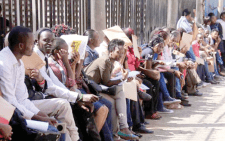


The warning comes as President William Ruto’s administration accelerates construction under its affordable housing programme aimed at reducing the country’s housing deficit and creating jobs.
But the reality on the ground is that developers and contractors are struggling with rising prices of cement, steel and imported construction materials, while homebuyers continue to face limited access to mortgages and high living costs.
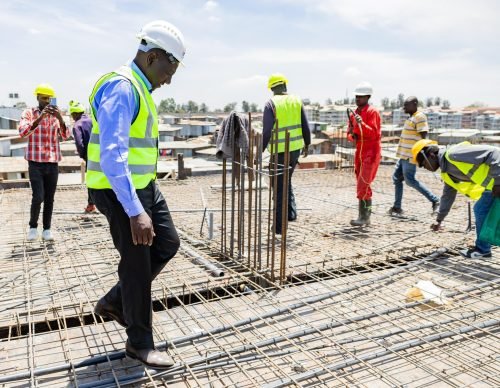
According to the report, the buildings and construction sector accounts for between 11 and 13 per cent of global GDP and remains vulnerable to inflationary pressures and supply chain disruptions.
The report notes that although global residential construction inflation eased after the Covid-19 pandemic, construction markets continue to face instability driven by labour shortages, currency volatility and material price increases.
In Kenya, rising fuel prices and a weaker shilling have pushed up the cost of transporting and importing construction materials, further increasing the price of housing projects in cities such as Nairobi, Mombasa and Kisumu.
The report says the global building stock expanded to 273 billion square metres in 2024 as urbanisation accelerated worldwide.
“The building stock continues to grow, albeit with considerable regional differences,” the report says, warning that the expansion of construction activities is increasing pressure on raw material extraction and energy demand.
Kenya’s rapidly expanding urban population has intensified demand for low-cost housing, yet climate-related disasters are increasingly making existing homes more vulnerable and expensive to maintain.

Impact of floods
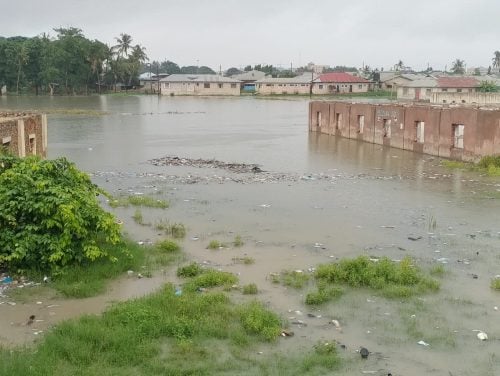
Flood-prone informal settlements in Nairobi and Mombasa continue to suffer repeated destruction during heavy rains, forcing many families to rebuild homes using costly materials or relocate to higher-rent neighbourhoods.
The report warns that around one billion people globally live in informal settlements, adding further complexity to housing affordability and climate resilience challenges.
The UN say climate-resilient housing designs, including proper drainage systems, cooling technologies and energy-efficient materials, often come with higher upfront costs that many low-income Kenyans cannot afford.
“Governments should promote nature-based solutions, new or traditional materials, circular economy practices and conversions of existing buildings to reduce housing costs and climate risks,” the report argues.
It also warns that housing affordability and climate policy can no longer be treated separately.
“Viewing the housing affordability crisis together with the climate crisis provides an opportunity to harness synergies and address both challenges simultaneously,” the report states.
For many Kenyans, however, the dream of owning an affordable home remains distant as construction costs continue to rise faster than incomes.
With mortgage access still limited and climate shocks becoming more frequent, housing experts warn that unless Kenya adopts stronger climate-smart housing policies and affordable financing mechanisms, decent
Author
Latest News







Advertisement
More on News
