Advertisement
Why cancer has become major crisis for Kenyans
Friday 03rd February, 2023 06:50 AM|
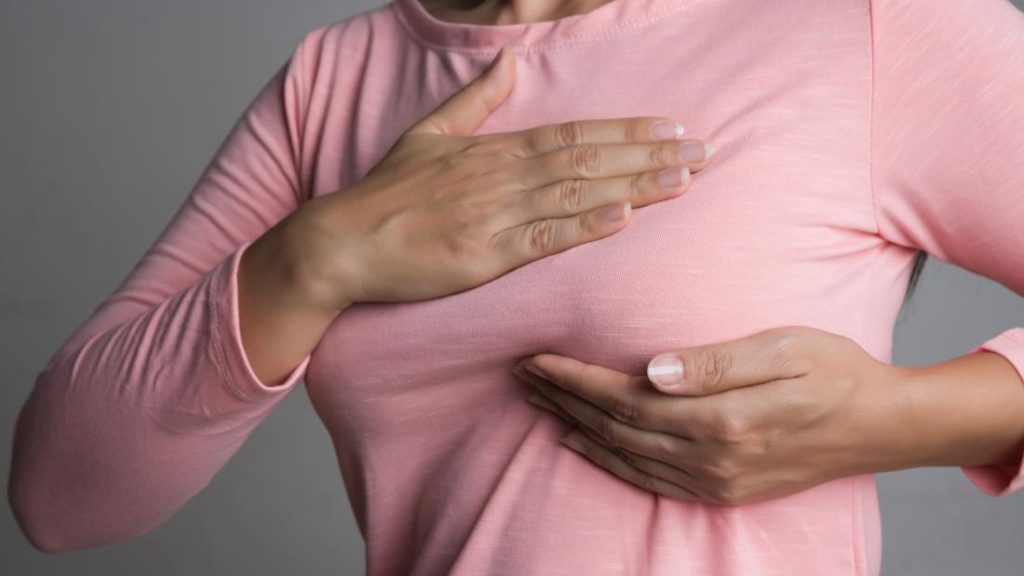
Oesophageal cancer is now a leading cause of cancer deaths in both men and women in Kenya, a new Status of Cancer in Kenya Report has indicated.
Unveiled yesterday, the report shows that this type of cancer accounts for 15.6 per cent of all cancer deaths and has low survival rates.
At the first ever National Cancer Summit in Nairobi, delegates heard that cancer of the cervix was the second leading contributor to cancer deaths at 10.4 per cent followed by breast cancer at 9.6 per cent and liver at 9.1 per cent. A total of 6,778 cancer cases were evaluated for the study.
“A fifth — 20.7 percent — of the cancer deaths among men are attributed to oesophageal cancer while in women, a fifth — 19.6 percent — of the cancer deaths are attributed to cervical cancer,” the report says. It also reveals that nine out of 10 persons diagnosed with oesophageal cancer lose their lives within a short period of being diagnosed.
Continuous monitoring
Dr Githinji Gitahi, the National Cancer Institute (NCI) board chairman, said the report captures an analysis of data collected through the registry between July 2021 and June last year. It includes a total of 6,778 cancer cases reported from 42 health institutions in 21 counties.
“In order to effectively mount an effective response to the growing cancer burden in Kenya, there is need to continuously monitor the number of newly-diagnosed cases and their distribution across the country,” Githinji said.
According to the report, cancers related to blood disorders are on the rise with leukemia, brain tumours, lymphomas strongly coming into the picture with 15, 11 and 10 per cent incidence rate respectively. The report covers incidents reported at the National Cancer Registry for the period 2021/2022. In addition, it contains data from other external sources that include the National Health Facility Assessment Survey, 2022, and the Kenya Mortality and Cause of Death Report 2012-2021.
NCI compiled the report after studying recommendations of a National Cancer Taskforce report of last July 2022. Research indicates that cancer is the leading cause of death among the non-communicable diseases, with 47,887 new cases and 32,500 cancer deaths being reported every year. However, it comes third after infectious and cardiovascular diseases.
Treatment modalities
Two out of every three persons diagnosed with cancer will succumb as 70 per cent of cancer cases are diagnosed in advanced stages when cure is impossible. Only about 23 per cent of all cancer patients in Kenya have access to the cancer management services they need and early diagnostic services are limited, the report says. “Further, the available treatment modalities for cancer carry high costs that are protracted in the lifespan of the affected individual”.
Breast cancer, according to the report, is the most common cancer at 15.9 per cent followed by cervical cancer at 13.3 per cent and oesophageal at 11.8 per cent. Others like prostate and colorectal cancers follow at 10.1 and 7.1 per cent respectively. As indicated earlier, breast cancer mostly affects women while oesephageal cancer affects men.
On the distribution of cancer cases by county, the top five regions with the highest proportion of cases reported to the registry were Nairobi, Nakuru, Kiambu, Machakos and Nyeri in that order.
In children, Leukemia accounts for the highest proportion of cases at 15 per cent followed by brain tumors (11 per cent), lymphomas and kidney (10 per cent) and Nasopharynx (seven per cent). Other childhood cancers account for the remaining 47 per cent of cases.
It was revealed that 25 per cent of all cancer cases in Kenya are between 0-29 years; with the report showing 75 per cent of cases affect Kenyans between the ages of 30 and 84 years.
Various speakers in the summit emphasised the need for a multi-sectoral approach in addressing the cancer burden in the country.“It is important that we engage proactively,” said Dr Allan Pamba, the Africa Network Lead at Roche Diagnostics.
The NCI Chief Executive Officer, Dr Alfred Karagu, argued that looking at the report and the distribution of cancer cases, a lot of them were lifestyle related.
“We collected data from 42 hospitals, and using the variable on where the patient is coming from, we are able to provide an estimate of which particular counties have the cases and able to demonstrate the lifestyle there,” he said, noting that alcohol consumption, eating processed foods and smoking were risk factors.
Positive note
The report also shows that childhood cancers – ages between 0-18 years – were on the rise — accounting for 2.0 per cent of all cancers reported to the National Cancer Registry.
Generally, the median age at cancer diagnosis was 53 years for females and 62 years for males. Close to half — 46 percent — of the cancer cases among both sexes were in advanced stages when they were first diagnosed. Data on stage of diagnosis was not recorded in approximately a third of the female cases and 43 per cent of male cases.
On a positive note, almost two thirds – 64 per cent — of cancer cases were enrolled with the National Health Insurance Fund (NHIF), meaning that the patients could access affordable treatment, including chemotherapy and scans.
According to the report, which forms a platform for future interventions as Health Cabinet Secretary Susan Wafula said, the most commonly reported comorbidities among cancer patients were hypertension, diabetes and HIV. That means some patients with cancer were found to have these secondary conditions.
Wafula said that in recognition of the need for concerted efforts to address the rising disease burden, the Ministry of Health had put in place a legal and policy framework to guide cancer control interventions.“The Universal Health Coverage (UHC) programme has identified cancer as a priority focus area to accelerate the access to care services with reduced financial burden,” she said.
The CS also noted that the Ministry had continued to strengthen primary health care services to offer affordable cancer screening and early detection services.
She said: “Through collaborations with county governments, we have enhanced access to cancer screening through training of primary health workers and distribution of screening equipment to health facilities across the country.”
Kisumu Governor, Prof Anyang’ Nyong’o, called for the rethinking of UHC to address the gaps in cancer treatment.
“The recent discussion on whether certain forms of food are allowed in our nation must be based on facts. We shall through knowledge in the public domain make decisions on what kinds of food to consume and those that can cause cancer,” he said.
Author
George.Kebaso
View all posts by George.KebasoLatest News








Advertisement
More on News