Advertisement
Wanjigi blasts Ruto administration, labels president a debt collector
Friday 17th April, 2026 07:58 AM|

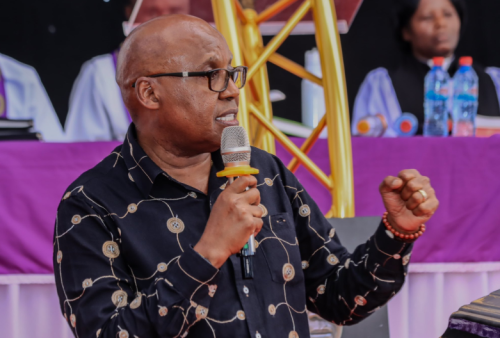
Safina Party leader and businessman Jimi Wanjigi has accused the government of trapping Kenyans in a cycle of parallel taxation and unsustainable borrowing, claiming that President William Ruto has become nothing more than just a debt collector.
Speaking during an interview with a local station on Thursday, April 16, 2026, Wanjigi argued that Kenya’s current fiscal approach is unsustainable, warning that borrowed funds are largely being used to service existing debts instead of driving economic growth.
“We are borrowing to consume. We are borrowing to pay debt. William Ruto, over the last few years, has been nothing more than just a debt collector. Just a debt collector,” Wanjigi said.
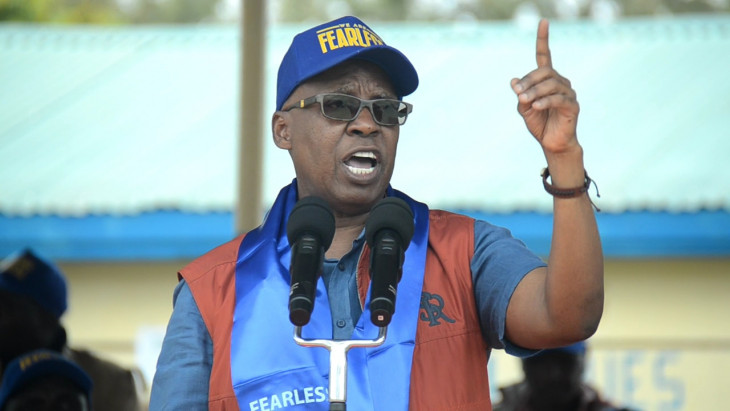
According to Wanjigi, the government is misleading the public with fake figures regarding GDP and economic growth, while the reality of the nation’s debt obligations is far more extreme than reported by the executive.
Parallel taxation
You Might Also Like

He said that the government has been pretending that they are not raising taxes, something which he said is giving Kenyans parallel taxation through double taxation.
He said that the fuel increase is adding more pain to Kenyans who are already in pain of sustaining their lives with the rise of the country’s economy.
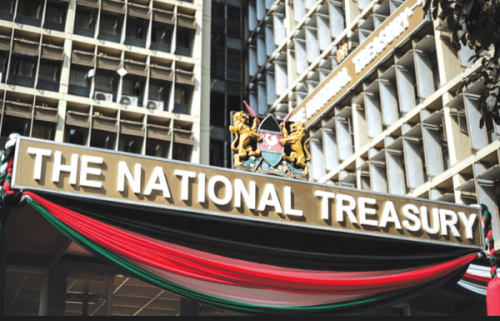
“When you now have a fuel increase, you’re just adding more pain, and what do you think they are going to do come budget time? This is a government that has pretended they’re not raising taxes, but they’re giving us parallel taxation through funds through securitization, through housing fund,” Wanjigi said.
“You asked me a question about GDP; it is fake. You ask me a question about growth; it is fake. You ask me a question about any figure that comes from the executive, it is fake.”
Debt levels and fiscal concerns
He said a significant share of government revenue is directed towards debt repayment, leaving limited fiscal space for development and public services.
According to him, this has created a cycle where borrowing is used to service existing debt rather than expand productive economic capacity.
He contrasted Kenya’s fuel pricing with that of other regional economies, arguing that Kenya’s pricing structure remains comparatively higher despite policy interventions.
Author
Latest News




Advertisement
More on News