Advertisement
Jimi Wanjigi criticises Ruto administration over rising debt burden
Friday 17th April, 2026 12:54 AM|

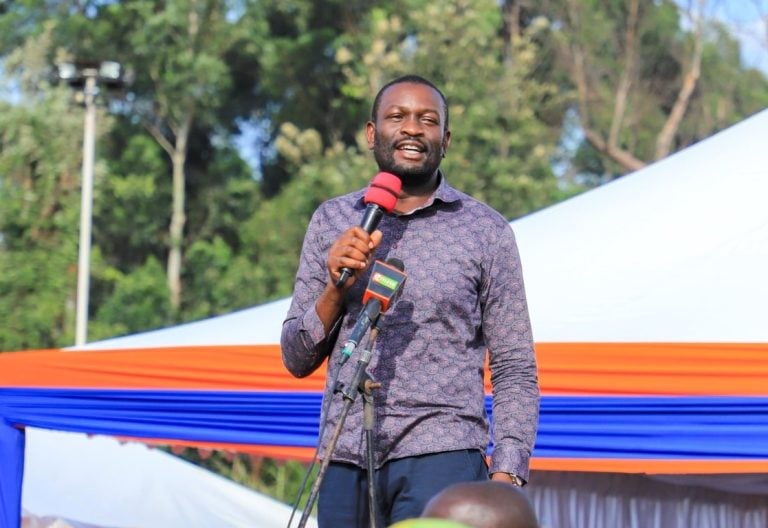
Safina Party leader and businessman Jimi Wanjigi has criticised President William Ruto’s administration over Kenya’s rising public debt and its impact on the cost of living, saying the country is increasingly borrowing to sustain consumption and service existing obligations.
Speaking during an interview on April 16, 2026, Wanjigi said economic pressures facing households reflect deeper structural challenges, pointing to high fuel prices and taxation as key drivers of the current strain on citizens.
Fuel prices and cost-of-living pressure
Wanjigi cited recent fuel price adjustments by the Energy and Petroleum Regulatory Authority (EPRA), noting that super petrol and diesel in Nairobi were retailing at approximately Ksh 206.97 and Ksh 206.84 per litre respectively for the period from April 15 to May 14, 2026.
He said fuel costs remain among the highest in the region and have a direct effect on transport, food prices and other essential goods.
You Might Also Like
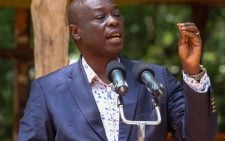
“We are borrowing to consume, to pay debt. William Ruto, in the last few years is nothing more than just a debt collector,” Wanjigi said.

He added that taxation forms a significant portion of pump prices, stating that a large share of fuel costs is made up of taxes and levies, which increases pressure on households and businesses.
Debt levels and fiscal concerns
Wanjigi linked the fuel situation to Kenya’s broader debt position, noting that public debt has remained above Ksh12 trillion, with further borrowing plans projected over the coming financial years.
He said a significant share of government revenue is directed towards debt repayment, leaving limited fiscal space for development and public services.
According to him, this has created a cycle where borrowing is used to service existing debt rather than expand productive economic capacity.
He contrasted Kenya’s fuel pricing with other regional economies, arguing that Kenya’s pricing structure remains comparatively higher despite policy interventions.
Public finance and infrastructure funding
Wanjigi also questioned the government’s approach to financing infrastructure projects, citing the recent Kenya Pipeline Company (KPC) initial public offering that raised more than Ksh106 billion.
He said the allocation of proceeds to the National Infrastructure Fund raises questions about value distribution for shareholders and transparency in public investments.
He further referenced the government’s economic messaging, noting its shift toward long-term development visions, while arguing that current fiscal realities remain centered on revenue extraction and debt servicing.
Wanjigi said the economic challenges require prioritisation of productive investment and fiscal discipline to reduce pressure on households and improve economic stability.
Author
Latest News

Advertisement
More on Inside Politics