Advertisement
UN chief condemns Israeli strikes on Beirut, calls for restraint
Sunday 14th June, 2026 10:27 PM|

United Nations (UN) Secretary-General Antonio Guterres has condemned Israeli airstrikes on Beirut, warning that the attacks threaten ongoing diplomatic efforts aimed at resolving tensions in the Middle East.
In a statement issued on Sunday, June 14, 2026, Guterres expressed concern that the strikes occurred despite an existing ceasefire arrangement and at a time when diplomatic negotiations involving the United States and Iran are reportedly progressing toward a possible agreement.
The UN chief said the timing of the attacks risks undermining efforts to achieve a peaceful settlement of the conflict, which has continued to fuel instability across the region.
“I strongly condemn today’s Israeli strikes on Beirut,” Guterres said.
You Might Also Like

“The strikes took place despite the ceasefire and at a time when the US and Iran are expected to reach an agreement that will pave the way to a peaceful resolution of this conflict.”
Guterres noted that the conflict’s effects extend beyond the Middle East, warning that the ongoing hostilities are having far-reaching consequences for the global economy.
According to the Secretary-General, continued instability in the region has contributed to uncertainty in international markets and heightened concerns over economic recovery in many parts of the world.
He urged all parties involved to avoid actions that could escalate tensions further and called for restraint as diplomatic efforts continue.
“I urge all parties to show maximum restraint at this crucial moment,” he said.
The UN chief also expressed hope that the ongoing negotiations involving Washington and Tehran would result in a breakthrough capable of easing tensions and creating conditions for lasting peace.
“I strongly hope for a successful outcome of the ongoing efforts by the US and Iran,” he added.
The latest developments come amid heightened international concern over the security situation in the Middle East, with world leaders and multilateral organizations increasingly calling for dialogue and diplomatic engagement to prevent a wider regional conflict.
Trump’s call
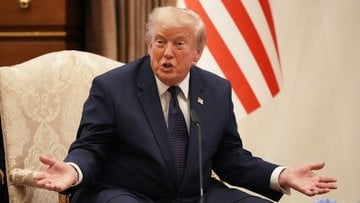
Earlier on, US President Donald Trump was forced to call for restraint after Israel launched fresh airstrikes on Beirut as mediators sought to conclude negotiations on a preliminary peace deal between Iran and the US that would bring the three-month war in the Middle East to a definitive end.
Trump played down new Israeli strikes but said, “All sides should stand down.”
“We are very close to a deal that will bring peace to the region, including to Lebanon … There should be no more attacks by Israel anywhere in Lebanon, but there should also be no more attacks by any other party, including Hezbollah, against Israel. This could be the beginning of a long and beautiful peace – let’s not blow it!” the US president posted to his social media site.
Trump had previously suggested the US could sign an agreement with Iran on Sunday, June 14, but as the evening came in the Middle East, there was no sign of a breakthrough.
Author
Francis Muli
Francis Muli is an editor and passionate digital journalist with extensive experience in crafting compelling stories across various platforms. His major focus is in business, politics and current affairs. He has a keen eye for detail and a commitment to uncovering the truth. He has contributed to leading publications across the country. When not chasing stories, you can find Muli exploring new technologies, attending local events, or reading fiction. Connect with Francis Muli on X @FMuliKE and Facebook (Francis Muli) to follow his latest stories and insights.
View all posts by Francis MuliLatest News








Advertisement
More on News