Advertisement
Two years later, NHIF yet to activate cover for deadly TB disease
Monday 24th October, 2022 03:30 AM|

The National Hospital Insurance Fund (NHIF) is yet to activate cover for thousands of tuberculosis (TB) patients despite the government having paid the cash required. The cover lapsed in April 2020.
Yesterday, activists revealed that a patient with the deadly TB strain — extensively drug-resistant tuberculosis (XDRTB) — has been mingling with unsuspecting Kenyans.
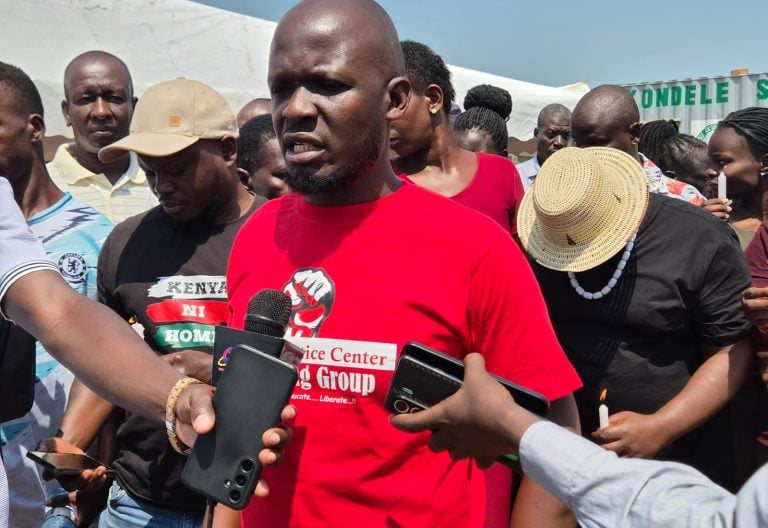
Evaline Kibuchi (pictured), the chief national coordinator, Stop TB Partnership, Kenya, said yesterday that the patient — name withheld — needs admission to hospital urgently.
“If not treated, he is likely to infect more people. His strain is serious. He is in dire need of NHIF services. Without the cover, he can’t raise the fees needed for hospital admission,” she said. Kenya is ranked among 30 high-burden TB countries globally.
Kibuchi pointed out that an estimated 800 people with drug-resistant tuberculosis are in dire need of treatment. Most of these cases could not be detected during the Covid-19 pandemic due to redeployment of healthcare workers.
An analysis at the onset of Covid-19 suggested that a three-month suspension of TB services due to lockdowns, followed by a 10-month restoration to normal, would cause — over five years — an additional 25,000 TB cases and 12,500 TB deaths in Kenya.
“These patients should be enrolled on NHIF as soon as they are identified, but this has been impossible due to a combination of factors,” Kibuchi said.
The cover, which runs for two years, is part of a social protection package mooted by the government. Last year, Kenya recorded 804 cases of drug-resistant TB.
Author
George.Kebaso
View all posts by George.KebasoLatest News






Advertisement
More on News