Advertisement
Survey: 71pc of rural population has better sources of safe water
Tuesday 04th July, 2023 07:08 AM|
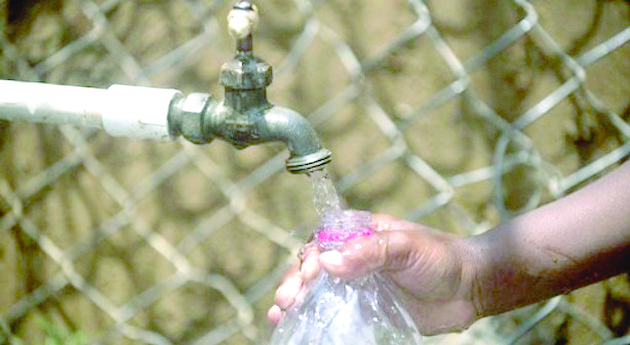
Eighty per cent of Kenyan households have an improved source of drinking water which includes piped water and public taps, with urban areas leading at 94 per cent, according to the latest Kenya Demographic and Health Survey 2022 (KDHS).
Additionally, the survey shows 71 per cent of the rural population has better sources of water currently compared to 25 years ago.
The drinking water service ladder shows 68 per cent of the general population has access to at least basic drinking water services, while 9 per cent have limited service and 8 per cent use unimproved sources. The remaining 16 per cent rely on surface water for drinking.
Interestingly, the statistics show that open defecation is practiced by 7 per cent of the Kenyan population.
It also revealed that seven in 10 households have access to improved sanitation facilities.
In the sanitation service ladder, 41 per cent of the population has access to at least basic sanitation services. One in four people (26pc) has limited service.
Regarding management of household excreta, 66 per cent of the population was found to have access to a sewer, or excreta was safely disposed of onsite, or had it removed for treatment off-site. On the issue of hand washing, 51 per cent of the population has basic hand washing facilities.
Household access to and use of safe drinking water as well as sanitation facilities, and hygiene have profound implications on the health, safety, menstrual hygiene and overall well-being of the population.
Improved sources of drinking water include piped water, public taps, standpipes, tube wells, boreholes, protected dug wells and springs, rainwater, water delivered via tanker truck or a cart with a small tank, and bottled water.
Households that use unimproved sources of drinking water were found to be at a higher risk of waterborne diseases and contamination.
“The main improved source of drinking water for urban and rural households is piped water in their dwelling, yard, or plot (40pc and 15pc, respectively),” read the report.
About half (53pc) of the households have water on their premises. The percentage is much higher in urban areas than in rural areas (73pc versus 40pc).
Author
Oliver Musembi
View all posts by Oliver MusembiLatest News






Advertisement
More on News