Advertisement
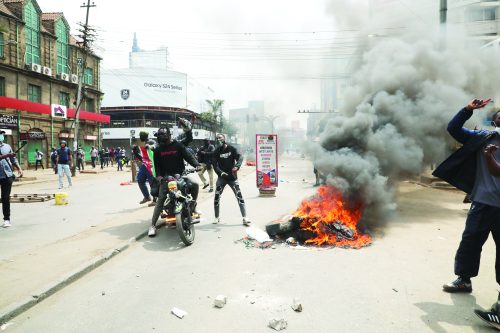
State brutality fuels radicalisation among Kenyans and other African youth – report
Friday 20th March, 2026 04:01 PM|

Human rights violations by security forces are emerging as a major driver of youth radicalisation in sub-Saharan Africa, according to a new global report.
The 2026 Global Terrorism Index shows that 71 per cent of young recruits joining violent extremist groups cited abuse by state security personnel as a key factor, while roughly one in four highlighted a complete lack of employment opportunities.
The report also notes regional differences: in Western countries, social alienation and isolation are the primary triggers for youth radicalisation.
Earlier, the Kenya Community Support Centre (KECOSCE), a Coast-based monitoring organisation, showed how perceived police misconduct and irregular procedures erode public confidence in law enforcement.
You Might Also Like



In areas where community-police relations are already strained, this distrust creates opportunities for extremist groups to recruit and operate.

“Reduced trust in law enforcement may also lead to lower community cooperation in reporting threats, creating operational gaps that can be exploited by extremist actors to gain sympathy, recruit, or operate with reduced scrutiny,” KECOSCE said in its weekly security brief.
The Index further notes that radicalisation among young people has accelerated sharply over the past three years.
In 2025, children and adolescents accounted for 42 per cent of terror-related investigations in Europe and North America, marking a threefold increase since 2021.
The report found that 87 per cent of these radicalised minors had previously experienced neglect or psychological abuse, while 77 per cent had suffered abandonment before radicalisation.
Despite the growing prevalence of youth involvement, terrorist plots planned by minors tend to be less sophisticated and more likely to be disrupted. Between 2022 and 2025, 97 per cent of plots involving minors were foiled, compared to a 68 per cent foil rate for adult-only plots.
The timeline for radicalisation has also shortened dramatically. Whereas it once took an average of 18 months in 2005, by 2016 it had dropped to 13 months, and today some youth can become radicalised within mere weeks.
Sub-Saharan Africa has emerged as a hotspot of terrorist activity over the past decade, with six of the top ten countries on the index located in the region.
Yet, the report notes signs of progress: in 2025, deaths from terrorism fell by 23.5 per cent, and the number of incidents dropped nearly 28 per cent. Only four countries recorded a worsening situation, while 18 recorded improvements.
The most significant gains were seen in the central Sahel. In Burkina Faso and Mali, both deaths and incidents declined sharply. In Burkina Faso, fatalities dropped nearly 45 per cent in just two years, from 1,532 to 846.
“The reduction in terrorist activity has coincided with a shift in tactics by armed extremist groups, focusing more on economic blockades and other strategies to weaken state capacity rather than direct attacks,” the index explained.
Author
Latest News








Advertisement
More on News