Advertisement
South Africa’s historic G20 moment shadowed by major struggles at home
Friday 21st November, 2025 07:33 AM|
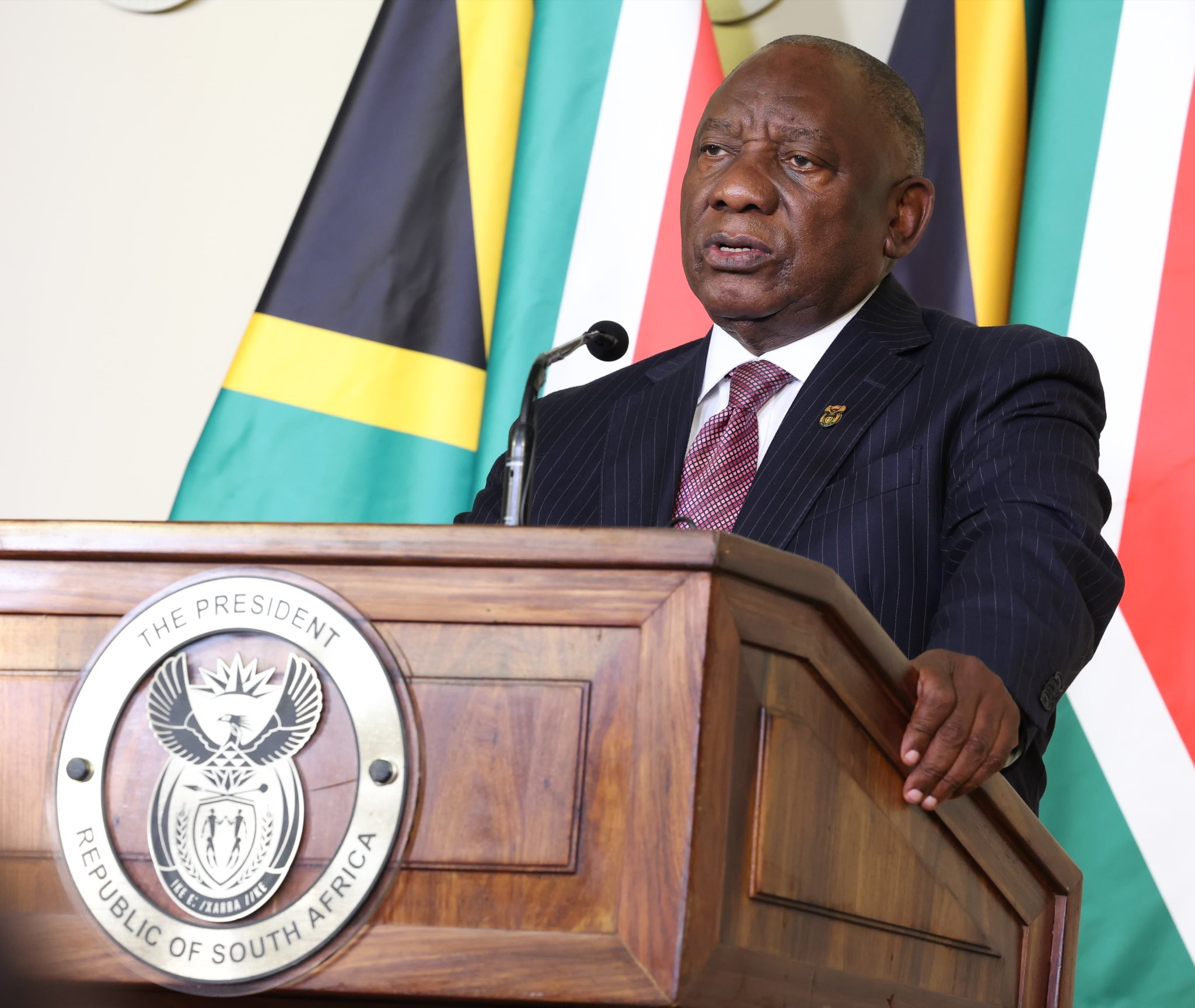
This is the first time the G20 summit is being hosted on African soil.
Heads of state from 15 countries across Europe, Asia and South America are expected to convene in South Africa’s economic capital, Johannesburg, under the banner of “solidarity, equality and sustainability.”
The summit is facing challenges from the Oval Office as US President Donald Trump boycotts the event, where the G20 leadership is meant to be handed over to him by South African President Cyril Ramaphosa.
The US has also warned South Africa against issuing a joint declaration at the end of the summit. The challenges to South Africa’s G20 debut are also domestic.
You Might Also Like
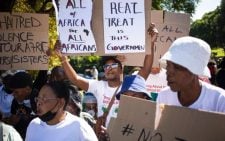
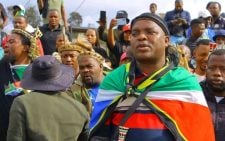
Nationwide civic disobedience has been planned by women’s rights charities, nationalist groups and trade unions – all using this moment to draw the government’s attention to critical issues it has failed to address around femicide, immigration and high unemployment.
But a key symbolic threat to the credibility of an African G20 summit themed around inclusivity is the continued exclusion and marginalisation of its oldest communities.
“There is a disingenuous thread that runs right through many of these gatherings, and the G20 is no different”, Khoisan Chief Zenzile tells us in front of the First Nations Heritage Centre in Cape Town, “from any of them”.
“I am very concerned that the many marginalised sections of society – youth, indigenous people, are not inside the front and centre of this agenda,” he added.
As we speak, the sounds of construction echo around us. We are standing in a curated indigenous garden as South Africa’s Amazon headquarters is being built nearby.
After years of being sidelined by the government in a deal that centres around construction on sacred Khoisan land, Chief Zenzile said he negotiated directly with the developers to build the heritage centre and sanctuary as a trade-off while retaining permanent ownership of the land.
“There are many people who like to fetishise indigenous people who want to relegate us to an anthropoid state, as if that is the only place we can, as if we don’t have the tools to navigate the modern world,” he says when I ask about modern buildings towering over the sacred land.
“That is the most ridiculous notion – that the entire world must progress and we must be relegated to a state over which we have no agency.”
An hour and a half from Cape Town’s centre, Khoi-San communities have seized 2,000 hectares of land that they say historically belongs to them.
Knoflokskraal is a state where they exercise full agency – filling in the infrastructural gaps around water and electricity supply that the provincial government will not offer to residents it categorises as “squatters”.
“We are – exactly today – here for five years now,” Dawid De Wee, president of the Khoi Aboriginal Party, tells us as he gives us a tour of the settlement. “There are more or less around 4,000 of us.
“The calling from our ancestral graves sent us down here, so we had an urge to get our own identity and get back to our roots, and that was the driving motive behind everything we are here now to take back our ancestral grounds.”
Dawid says they have plans to expand to reclaim more swathes of land stolen from them by European settlers in the 1600s across the Cape Colony.
Land reform is a contentious issue in post-Apartheid South Africa, with a white minority still owning a majority of the land.
Author
Latest News


Advertisement
More on News