Advertisement
Saba Saba aftermath: IG Kanja conducts security assessment in Nairobi, Kiambu
Tuesday 07th July, 2026 05:03 PM|
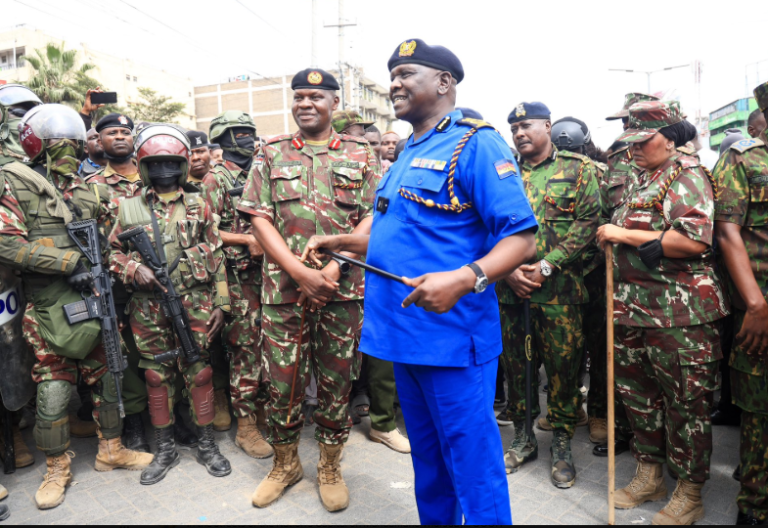
Inspector-General of Police Douglas Kanja has conducted a security assessment in parts of Nairobi and Kiambu counties as security agencies remained on high alert during the Saba Saba protests.
Kanja visited Muthurwa in Nairobi County and Githurai 45 in Kiambu County to assess the prevailing security situation in the two areas, which have experienced heightened police deployment.
The Inspector-General was accompanied by Deputy Inspector-General of the Administration Police Service Gilbert Masengeli and other senior officers from the National Police Service.
According to the NPS statement on Tuesday, July 7, 2026, the visit was aimed at evaluating the security situation on the ground and monitoring police operations in the affected areas.
You Might Also Like

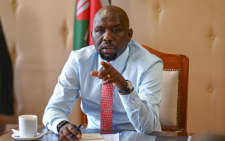
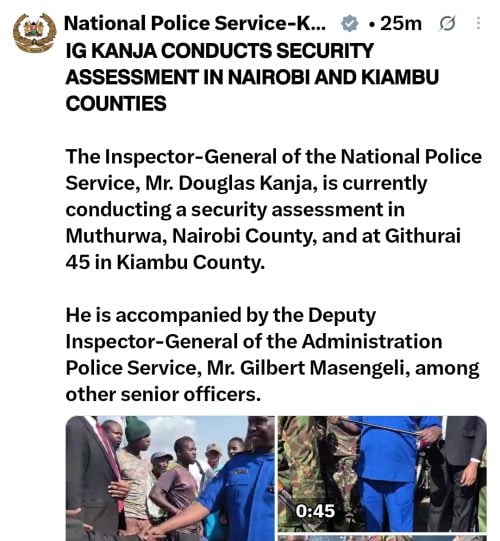
“The Inspector-General of the National Police Service, Mr. Douglas Kanja, is currently conducting a security assessment in Muthurwa, Nairobi County, and at Githurai 45 in Kiambu County,” NPS stated.
“He is accompanied by the Deputy Inspector-General of the Administration Police Service, Mr. Gilbert Masengeli, among other senior officers.”
Saba Saba commemoration
The assessment comes as security agencies continue to oversee demonstrations and maintain law and order in different parts of the country during the annual Saba Saba commemorations.
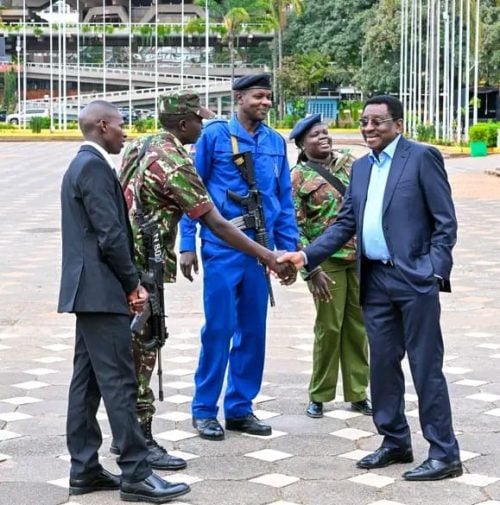
The annual Saba Saba commemorations trace their origins to July 7, 1990, when pro-democracy activists staged historic demonstrations demanding the restoration of multiparty democracy under the KANU government.
Over the years, the anniversary has evolved into a symbolic day for civic action, with activists and civil society organisations using it to push for governance reforms, constitutional rights and government accountability.
CBD early tight security
Ahead of the annual Saba Saba commemorations, heavy police presence was witnessed seeking to prevent protesters from accessing sensitive government installations and the Nairobi CBD.

Officers, including anti-riot police, were deployed at strategic locations across the capital, while razor wire barricades were erected on several roads leading to key government offices and Parliament.
Only emergency service vehicles and selected government vehicles were allowed through some of the roadblocks, with the majority of private and public service vehicles being redirected.
Author
Emmanuel Rono
Rono is a digital journalist with a proven track record in newsroom leadership and content creation. Currently a Digital Writer for People Daily Digital, Emmanuel’s career is rooted in a lifelong passion for storytelling. Let's talk here: [email protected] or [email protected]
View all posts by Emmanuel RonoLatest News




Advertisement
More on News