Advertisement
Soldiers appear on Benin state television announcing apparent coup
Sunday 07th December, 2025 12:26 PM|
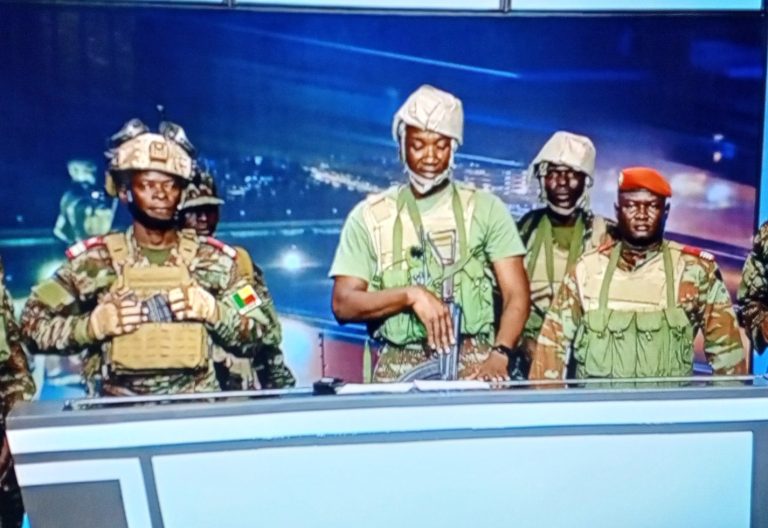
A group of soldiers have appeared on Benin’s state TV announcing the dissolution of the government in an apparent coup in the West African nation.
They announced on Sunday the overthrow of President Patrice Talon, who has been in power since 2016.
The group, which called itself the Military Committee for Refoundation, on Sunday, December 7, 2025, announced the removal of the president and all state institutions.
According to France24, the unrest began in the early hours with an armed attack on President Talon’s residence in Porto-Novo.
You Might Also Like


Benin, officially the Republic of Benin and formerly the Kingdom of Dahomey, is a West African nation bordered by Togo to the west, Nigeria to the east.
This comes in even situations Guinea Guinea-Bissau continues to cause a lot of uncertainties. Military takeovers are nothing new in the West African country, which has experienced at least nine attempted and successful coups since gaining independence from Portugal in 1974.
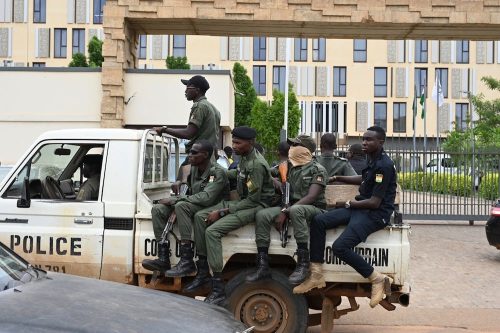
But when military officers announced they had seized control of the country last Wednesday, some analysts and political figures were sceptical.
All the typical ingredients for a coup were there: gunfire was heard near the presidential palace, the President, Umaro Sissoco Embaló, was arrested, and soldiers gave an address on state television.
Still, other circumstances have been called into question, with Senegalese Prime Minister Ousmane Sonko and former Nigerian President Goodluck Jonathan joining a chorus of voices who believe the takeover was masterminded by Embaló himself.
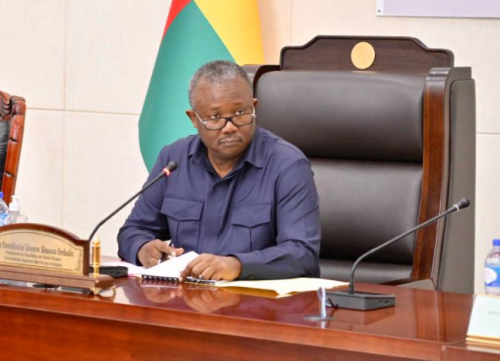
And to complicate matters further, the military insisted to the BBC that it had taken over the country, but condemned the use of the word “coup”.
The junta leaders said they were acting to thwart a plot by unnamed politicians who had “the support of a well-known drug baron” to destabilise the country, which has become known as a drug-trafficking hub.
Just three days before the military takeover, Bissau-Guineans voted in a presidential election. Embaló, 53, was running for a second term, and his closest challenger was Fernando Dias da Costa.
Dias had been backed by former Prime Minister Domingos Pereira, who was initially supposed to run for president on behalf of the main opposition party, PAIGC. However, Pereira had been disqualified from the contest after the authorities said he had filed his papers late.
The election results were supposed to have been released on Thursday, the day after the coup took place.
Author
Latest News
Advertisement
More on News