Advertisement
Shollei defends Ruto on fuel crisis, says Parliament is responsible
Monday 18th May, 2026 09:06 AM|

Uasin Gishu Woman Representative and National Assembly deputy speaker Gladys Boss Shollei has stepped up to defend President William Ruto in the current debacle of the fuel supply, saying that the responsibility should not be all on the executive but on Parliament.
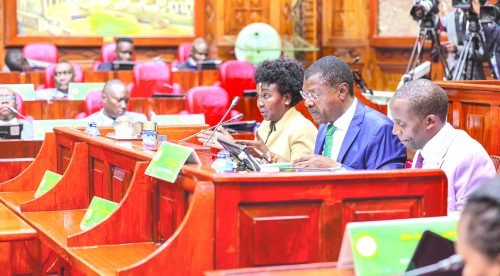
Speaking in a morning interview with a local TV station on Monday, May 18, 2026, Boss Shollei stated that the fuel price hike is closely linked to taxation policies, which are approved by lawmakers. She has said that Parliament has a pivotal role in setting the tax regime, which in the end decides the pump price of fuel.
“And that is why I have said on this issue of fuel, this is not the president’s problem largely; it is a problem of parliament, and we are the ones to do something about it because all those duties and taxes are passed by us. It is our responsibility; we should take full responsibility. I do take full responsibility,” Shollei stated.
The comments are coming at a time when Kenyans are struggling with the high cost of fuel, which has also affected a wide array of economic activities, including commodity prices and transport costs, as well as the high cost of living for families.
Strike kick-off
You Might Also Like


The Motorist Association of Kenya has since announced a nationwide strike to protest the high fuel prices.
A section of Thika Road was barricaded on Monday, May 18, 2026, in the morning, as the nationwide matatu strike over rising fuel prices took effect, causing major disruption to transport along one of Nairobi’s busiest highways.
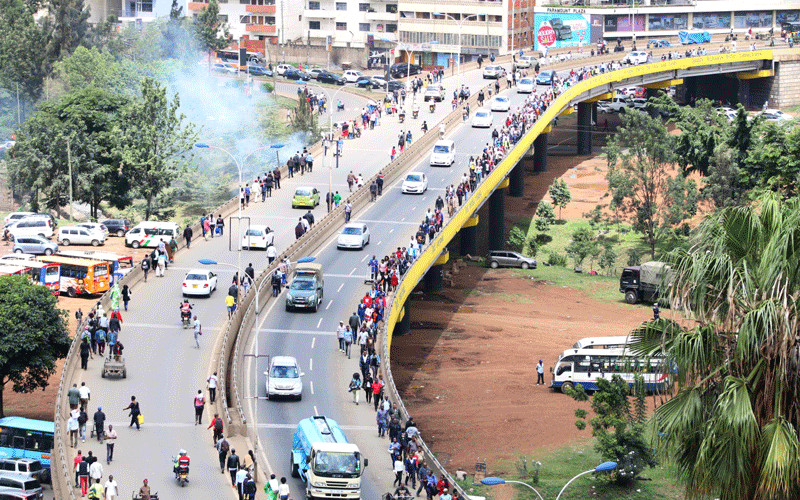
The affected stretch is around the Roysambu area, where protesters blocked the road using stones and burning tyres, bringing traffic flow to a standstill and leaving motorists stranded.
Videos and photos that have been circulated online showed vehicles unable to move through the corridor, with some forced to make U-turns as a section of demonstrators occupied parts of the roadway.
The strike involves matatu operators, boda boda riders, cargo transporters, ride-hailing drivers, and other road users who are protesting what they term as unsustainable fuel prices that have pushed up the cost of living.
The protest action has already begun disrupting movement in several parts of Nairobi and other urban centres, with fears that the situation could escalate if the standoff continues.
Author
Latest News








Advertisement
More on News