Advertisement
Senator Ledama clashes with Ruto over county e-procurement directive
Monday 01st September, 2025 09:45 AM|

Narok Senator Ledama Olekina has differed with President William Ruto over the proposed electronic procurement system at the county level, warning that the national government’s push to impose the e-GP model on county administrations risks overstepping constitutional limits.
Taking to his X account on Monday, September 1, 2025, Olekina argued that the system will deepen an already bitter standoff over revenue allocation and slow delivery of services to Kenyans.
“With the utmost respect, Mr. President … county governments are constitutionally semi-autonomous. Article 219 clearly mandates that counties receive their equitable share of revenue without undue delay and without deduction,” Sen. Olekina said in a statement, arguing that the rollout of a mandatory e-procurement directive for counties goes beyond powers granted to the national government and could trigger costly litigation that diverts county funds from development.
What the Constitution says
Article 219 of the Constitution requires that a county’s share of nationally raised revenue be transferred to the county “without undue delay and without deduction.” That constitutional protection is central to county leaders’ complaint that fiscal uncertainty and top-down directives undermine devolution.
You Might Also Like

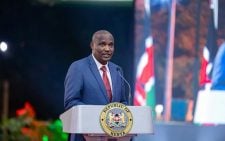
Olekina’s plea to the Head of State comes at a time when the Treasury has begun rolling out an exclusive e-government procurement (e-GP) platform intended to centralise and digitalise government procurement, a reform the Treasury Cabinet Secretary John Mbadi argues will reduce corruption and save money.
The rollout, according to government notices, is scheduled to be fully in place from the 2025/26 financial year, with all public procurement processes to be conducted through the e-GP portal.

But several governors, backed by the Council of Governors, say forcing counties onto the system without sufficient consultation, capacity building, or guaranteed budgetary support will hamper counties’ ability to procure goods and services, pay suppliers and contractors on time, and run development projects. They have threatened litigation and declared a stalemate in talks with the national government.
Meanwhile, the e-GP dispute is unfolding against the backdrop of a revenue-sharing disagreement between the national Treasury and county governments. Counties say the allocations proposed for the 2025/26 financial year leave a significant shortfall, with some county leaders putting the gap at roughly Ksh140 billion or more, and have urged urgent political intervention to avoid salary delays and halted projects. The disagreement over the Division of Revenue has fuelled mistrust between the two levels of government.
According to Olekina, while the intent behind the e-procurement directive is understood, imposing it on counties exceeds the powers granted to the national government by the Constitution.
”This risks costly court battles that divert scarce county resources and delay development, and it crosses boundaries that the Constitution has clearly defined to safeguard devolution. The Council of Governors is right to firmly defend county autonomy and call for mutual respect and proper consultation in line with the law. Respectfully, all levels of government must honour their constitutional limits to preserve Kenya’s unity and progress,” Olekina added. The Commission on Revenue Allocation (CRA) and Parliament play formal roles in determining the basis for sharing national revenue among counties.
Author
Latest News








Advertisement
More on News