Advertisement
Senator Cherargei signals bid for Nandi gubernatorial seat
Saturday 13th September, 2025 08:55 AM|
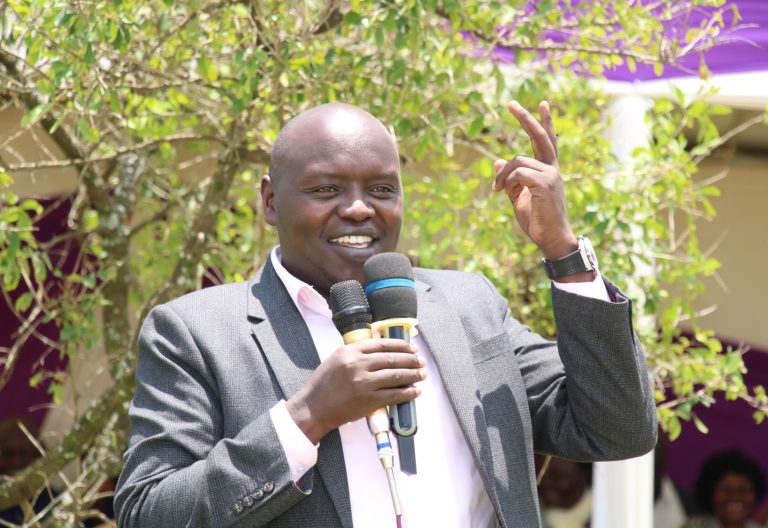
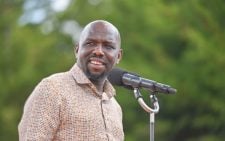
Nandi County Senator Samson Cherargei has officially indicated his intention to run for governor in the 2027 elections.
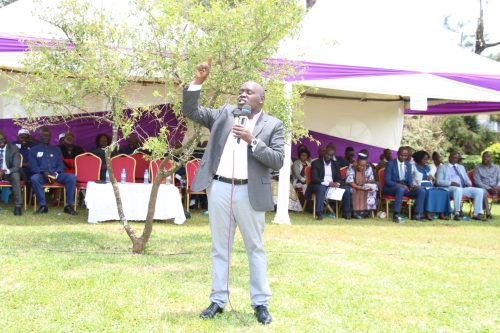
Speaking during a burial ceremony at Bonjoge, Nandi County, on September 12, 2025, Cherargei told supporters he was committed to reclaiming lost county resources and addressing corruption.
“I am coming; I’m on my way. I want us to take care of this county, Nandi, and I will take care of it. I am the only one fit, so consider me. I am coming, and I know how to bid, and I will vie, and you will grant me in Jesus’ name,” Cherargei noted.
“Do not worry about me; let us conclude the two years, and let me tell you, I am coming, I’m on my way, I want us to take care of this county, Nandi, and I will take care of it, and all the ‘cows’ that have gone missing in the county, I will bring them back.
You Might Also Like

“Others cannot do it because they already participated in others,” he stated.
Also watch: Cherargei castigates politicians for distorting intentions of empowerment
The reference to ‘cows’ is understood to be a metaphor for mismanaged county funds and assets.
Focus on corruption and oversight
Cherargei’s declaration comes amid mounting scrutiny of county finances and governance.
In a television interview on September 10, 2025, he accused governors of exploiting loopholes in revenue collection, such as issuing duplicate receipts to siphon funds.
“The spotlight should be on counties and governors because they need to raise their own revenue. They have no option but to raise and eat it,” he said.
He further highlighted procurement irregularities, where legitimate payments are often voided to favour politically connected suppliers, calling on the National Treasury and Council of Governors to enforce e-procurement and legal frameworks to curb losses.
The senator also defended President William Ruto’s national anti-corruption campaign, noting that efforts to fight graft have been hampered by inadequate follow-through from agencies like the Ethics and Anti-Corruption Commission (EACC).
“The fight against corruption cannot be fixed in three years. This is a culture that has lived with us for sixty years. Corruption is everywhere; I even think as a country we should consider taxing its proceeds,” he remarked.
Cherargei has previously advocated for extending presidential terms from five to seven years, arguing that shorter terms lead to perpetual campaigning and hinder policy implementation.
“The day after being sworn in, politicians are back at social events, scouting for votes for the next election,” he said, stressing that the proposal was aimed at enabling leaders to deliver tangible change rather than benefiting a single individual.
Author
Latest News






Advertisement
More on News