Savula blames Parliament for weak corruption crackdown in Kenya
By Mustafa Juma, May 12, 2026Kakamega Deputy Governor Ayub Savula has blamed Parliament for what he described as the weak fight against corruption in Kenya.
Speaking during an interview with a local TV station on the night of Monday, May 11, 2026, Savula argued that anti-graft institutions have been crippled by inadequate funding and limited powers.
He said that lawmakers cannot continue criticising the government’s handling of graft while failing to empower key investigative and prosecutorial agencies properly.
Savula defends Ruto
Savula defended President William Ruto against accusations that the government is not doing enough to fight corruption, saying Parliament holds the key to strengthening anti-graft institutions through budget allocations and legislative reforms.
“Regarding the issue about corruption, MPs should give these institutions more money,” Savula said.
“The EACC, the ODPP, and the DCI – let them be independent in the fight against corruption.”
According to him, many anti-corruption agencies remain underfunded because national resources are redirected to projects he termed less meaningful.
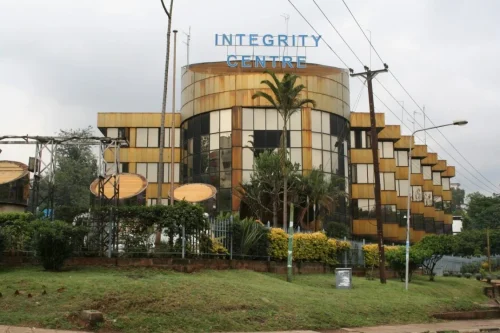
Calls for stronger anti-graft agencies
Savula singled out the Ethics and Anti-Corruption Commission (EACC), the Office of the Director of Public Prosecutions (ODPP), and the Directorate of Criminal Investigations (DCI) as institutions that require greater financial and legal backing.
“The institutions are there, but they are underfunded because money is taken to other projects that are meaningless,” he stated.
He further argued that Parliament has a constitutional responsibility to ensure these agencies are properly facilitated.
“Parliament is in charge of making the budget, so you cannot blame the president that he is not fighting corruption,” Savula added.
Push for EACC prosecution powers
The deputy governor also called for legal reforms to grant the EACC direct prosecutorial powers rather than relying on the ODPP.
According to him, corruption cases often stall because investigative files are forwarded to prosecutors and later returned.
“Amend the law and give the EACC prosecution powers so that they don’t have to take their files to the DPP and the files are returned,” he said.
Currently, the EACC investigates corruption-related offences before forwarding files to the Office of the Director of Public Prosecutions for review and possible prosecution.
In September 2025, Narok Senator Ledama Olekina renewed the debate on whether the EACC should be granted prosecutorial powers.
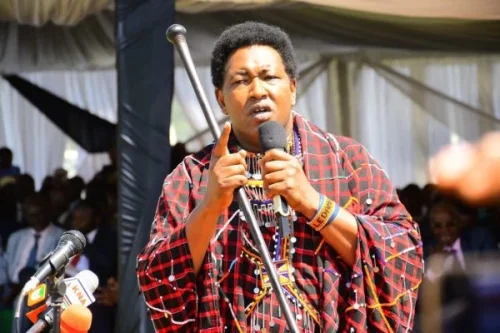
Taking to his official X account on Thursday, September 11, 2025, Ledama said that making the EACC a branch of the ODPP would allow the Director of Public Prosecutions (DPP) to delegate prosecutorial powers to the commission.
“Former EACC heads like PLO sought prosecutorial powers but were denied, underscoring the ongoing challenge. Rethinking EACC’s role—from an independent commission to a branch of ODPP—could allow the DPP to delegate prosecutorial powers to EACC, similar to how the AG delegates to the Solicitor General. This collaboration could strengthen Kenya’s anti-graft fight,” Ledama stated.