Ruto unveils new changes to civil servants’ hiring process
By Aloys Michael, April 17, 2026President William Ruto has announced a series of reforms aimed at strengthening Kenya’s creative economy and education sector, including a proposal to integrate artists and content creators into the public service system.
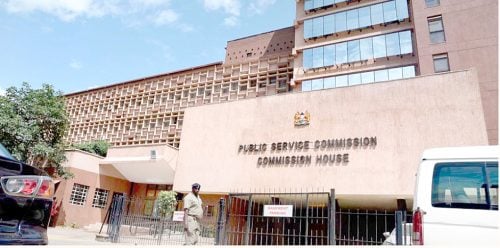
The Head of State revealed that the Public Service Commission (PSC) has already approved a new staff structure under the State Department of Creative Economy, paving the way for the recruitment of artists and industry professionals into public service.
“I am pleased that the Public Service Commission has approved the staff structure for the State Department of Creative Economy. Soon, we will be bringing your service and talent into government to drive this vision forward,” he disclosed.
Additionally, he also announced plans to elevate the status of the National Drama Festivals, directing that the programme be fully funded under the Ministry of Education to strengthen its role as a co-curricular learning platform.
He further instructed the Kenya Film Commission (KFC) to expand inclusivity by introducing dedicated categories for student films and plays at national award platforms, including the upcoming Kalasha Awards.
“I have directed the Kenya Film Commission to introduce a category for student films, particularly those emerging from festivals such as this, so that our young storytellers can be seen, celebrated, and inspired to aim higher,” Ruto said.
The President has directed the Ministry of ICT to reserve at least 30 per cent of government advertising for local artists and content creators, with compliance to be monitored through performance contracts.
He also called for formal recognition of creative professionals and trainers involved in school drama festivals, even if they are not registered with the Teachers Service Commission (TSC).
The directive follows 2025, controversy involving DCP Deputy Party Leader Cleophas Malala’s play, Echoes of War, at the National Drama Festivals in Nakuru.
“I want to ask that these creatives and trainers working with our children should not be excluded. They must be mainstreamed within festival cycles despite not being TSC-registered teachers,” he said.
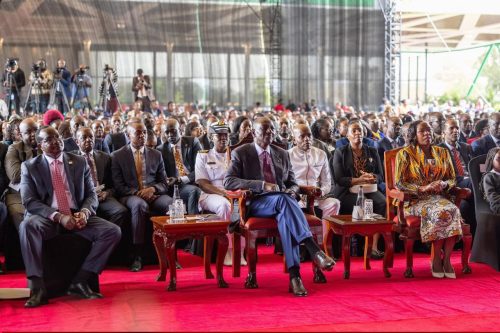
Drama funding
Meanwhile, he said drama and film festivals are essential to the development of learners and should be supported as structured components of education.
“As a government, we have recognised that drama and film festivals are not mere co-curricular activities. They are integral to holistic development, equipping Kenya’s youth with the skills, creativity, and confidence,” he said.
“It is a learning pathway that deserves full financial support from the government through the Education Ministry.”
The funding directive is linked to ongoing policy efforts, including the Creative Economy Bill 2026 currently before Parliament.
The proposed law seeks to support the creative sector through financing structures and institutional frameworks.
The Bill outlines measures to expand access to funding, support production and strengthen the creative industry.
Ruto said government support will contribute to the growth of the sector and enable wider participation in creative activities within the education system.