Advertisement
RUPHA Chair Lishenga: comparing Linda Jamii and Linda Mama programmes is engaging in disinformation
Wednesday 01st October, 2025 08:54 AM|

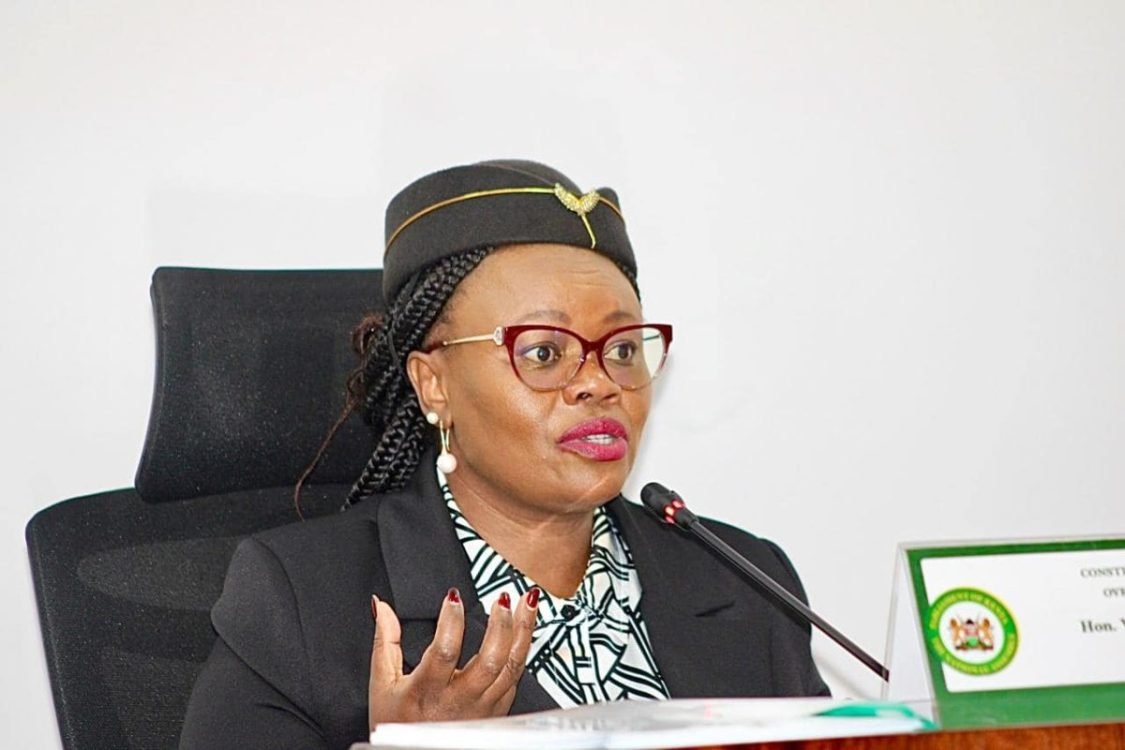
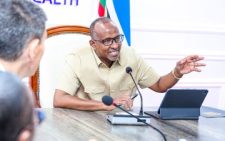
The Rural Private Hospitals Association of Kenya (RUPHA) chairperson, Brian Lishenga, has called for the end of the Linda Mama and Linda Jamii debate, stressing that the main concern should be whether the program provides as required by law.
In an interview on live TV on Wednesday, October 1, 2025, Lishenga cited government officials for prioritising public relations and disinformation through their messaging while neglecting the actual legal requirement of the medical cover.
Disinformation
“When we are comparing Linda Jamii and Linda Mama, we are engaging in disinformation,” he stated.
“The only comparison should be between Linda Jamii, which is Taifa Care, and SHIF, as others call it, and NHIF.
You Might Also Like
“A better comparison is to ask oneself, does the benefit under Linda Jamii supersede the benefit that NHIF was covering?” he stated.
Most notably, according to Lishenga, the topic of vulnerable cover for needy Kenyans, women and those at risk of abuse should be the cornerstone of the ongoing debate on maternal medical cover.
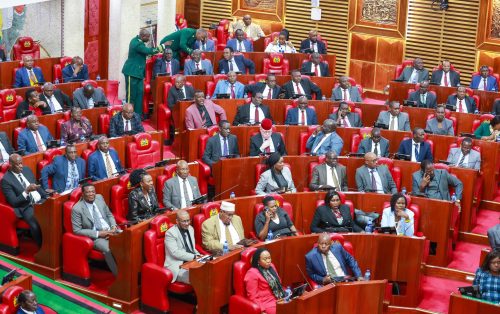
Lishenga states that the law provided for both county governments and the National Assembly to make provision for the vulnerable cover.
He, however, notes that only a few counties complied with the law by providing such monies.
“The law says the National Assembly shall provide money for the vulnerable and indigent people. The people in parliament did not do that, and it is unfair that they did not do that,” he stated.
The Private Hospitals’ official chair parted by urging the government to move away from the PR gimmicks and provide the cover in the subsequent budgets.
“With the exception of very few counties, most counties have not provided that money. We have looked for it very hard and not seen it, but what we are only seeing are sponsors,” he stated.
“The national and county governments have a responsibility to cover vulnerable Kenyan women as required by the law. We need to see parliament in the supplementary budgets appropriating the money and giving them (vulnerable women) a cover similar to SHA cover,” he stated.
Author
Latest News




Advertisement
More on News