Advertisement
Report: Nearly 8,000 migrant deaths recorded in 2025
Tuesday 21st April, 2026 04:58 PM|
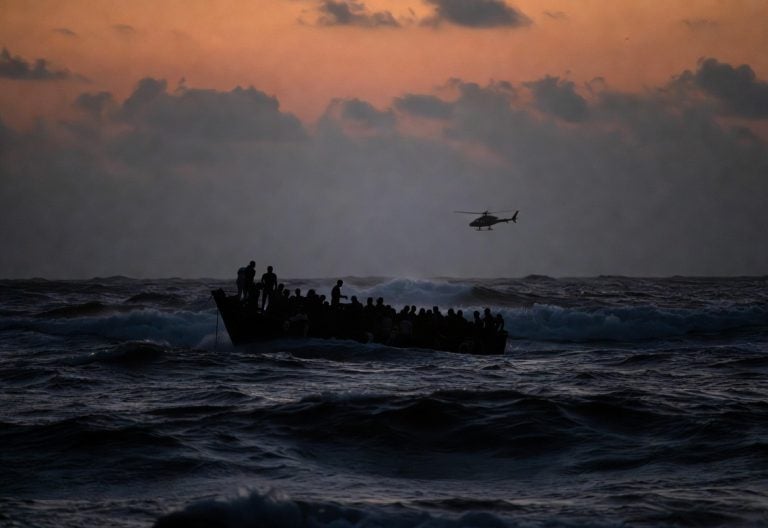
Nearly 8,000 migrants died or went missing in 2025, according to new data from the International Organization for Migration (IOM).
The figure pushes the global total since 2014 to more than 82,000, with around 340,000 family members estimated to have been directly affected by the losses.
In the report released on Tuesday, April 21, 2026, the IOM says the numbers show that migration routes are changing, but dangers remain high. While arrivals have fallen in some regions, the risks faced by migrants have not reduced.
The data comes from the IOM’s Displacement Tracking Matrix (DTM) and the Missing Migrants Project. The DTM tracks movement patterns, routes and conditions through field monitoring and government sources. The Missing Migrants Project records deaths and disappearances using official records, media reports and field data from IOM missions.
You Might Also Like



The combined findings show that conflict, climate pressures and policy changes are reshaping migration journeys. However, they also show that unsafe routes continue to claim lives.
“Routes are shifting in response to conflict, climate pressures and policy changes, but the risks are still very real,” IOM Director General Amy Pope said.
“Behind these numbers are people taking dangerous journeys and families left waiting for news that may never come. Data is critical to understanding these routes and designing interventions that can reduce risks, save lives and promote safer migration pathways.”
The report shows that lower arrival numbers in some regions do not reflect less migration pressure. Instead, migrants are changing routes in response to tighter border controls, conflict and environmental stress.
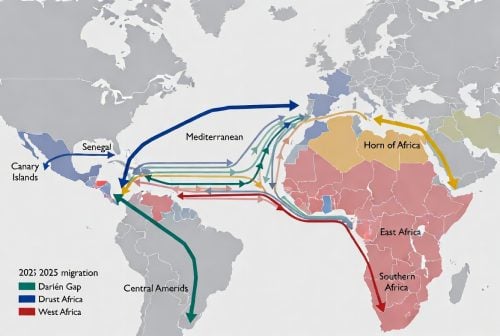
Routes shift, risks persist
In the Americas, northbound migration through Central America dropped sharply compared to 2024. In Europe, overall arrivals fell, but the profile of migrants changed, with Bangladeshi nationals forming the largest group of arrivals, while Syrian arrivals declined after political and policy shifts.
In the Horn of Africa, movements towards Saudi Arabia fell slightly compared to 2024 but remained higher than in 2023. At the same time, flows from East Africa towards Southern Africa increased late in the year, driven by labour demand in southern Ethiopia.
Along the Western African Atlantic route, arrivals to the Canary Islands dropped after stronger border cooperation. However, the IOM warns that journeys have become longer, more fragmented and more dangerous.
Across all regions, many migrants remain stranded in border areas with limited access to shelter, healthcare and protection. Increased returns and relocations have also placed pressure on local services and made reintegration more difficult.
The IOM says these changes show a clear pattern: shifting routes do not reduce harm. Instead, they often increase risks as journeys become less predictable and more dangerous.
Ahead of the International Migration Review Forum in May, the organisation is calling for stronger international cooperation to prevent deaths and disappearances. It is also urging governments to invest in safer migration pathways and better support for affected families.
The IOM says the evidence is clear. Fewer movements in some regions do not mean safer migration overall, and without coordinated action, migrant deaths will continue to rise.
Author
Kenneth Mwenda
Kenneth Mwenda is a business, sports, and politics digital writer with over seven years of experience in journalism, covering breaking news, feature stories, and in-depth analysis across a range of beats.
For inquiries, he can be reached at [email protected]
View all posts by Kenneth MwendaLatest News








Advertisement
More on News