Advertisement
Police brutality: IPOA offers ideas to curb excesses
Friday 25th July, 2025 06:00 AM|

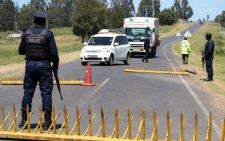
The Independent Policing Oversight Authority (IPOA) has documented concerning patterns of excessive force, lack of accountability, and inadequate preparedness by police during protests held across the country in June and July.
In a report released yesterday, IPOA acknowledged some commendable displays of restraint and professionalism by officers but highlighted significant shortcomings. These included inconsistent enforcement of the Public Order Act, the use of anonymised police officers and vehicles, failure to provide first aid, and poor welfare conditions for officers.
Troubling trend
“There were also gaps in engagement with protest organisers and a troubling trend where initially peaceful protesters turned violent. These shortcomings collectively contributed to the injuries, fatalities, and property damage experienced during the demonstrations,” the authority stated.
IPOA revealed that police in almost all counties classified protests as riots from the outset, focusing on using force rather than facilitating demonstrations by maintaining peace and order. According to IPOA, this approach undermined any possibility of holding peaceful protests.
You Might Also Like


The oversight body monitored policing during protests on June 12, June 17, June 25, and July 7 across various parts of the country. Its investigation documented devastating consequences: 65 deaths, 342 injured civilians, 171 injured police officers, and widespread destruction of public and private property, including looting and vandalism of businesses, police stations, vehicles, and government establishments as of July 23.
IPOA has attended 61 of the 65 documented fatality autopsies and will attend the remaining when scheduled.
During the June 25, 2025 protests, 48 complaints were registered with IPOA, while 70 cases were reported during the Saba Saba protests. The authority used various monitoring methods including direct observation, interviews, review of police records such as protest notifications, media monitoring, desktop analysis of applicable laws, and photography.
“Across the protests, IPOA observed significant breaches of constitutional policing standards, including use of disproportionate force, lack of professionalism, and failure to uphold public safety and rights,” the report says.
The report notes that goons who infiltrated the protests undermined peaceful assembly principles and contributed to escalating violence, injuries, and fatalities. The level of violence, looting, and property destruction by persons disguised as protesters and opportunistic criminals was unprecedented and, in some instances, overwhelmed police capacity.
Among the monitored incidents was the June 12 protest in Nairobi over teacher-blogger Albert Ojwang’s death in police custody. “The disparity between expert reports and the initial police statement on the cause of Ojwang’s death caused public anger resulting in the protests,” IPOA explained.
Another significant protest occurred on June 25 to commemorate protesters killed during the anti-Finance Bill 2024 (Gen Z) protests.
Extensive misconduct
The authority documented extensive misconduct, including looting and vandalism of shops, malls, and public infrastructure in Nairobi, Meru, Mlolongo, Kakamega, and Nakuru. Police stations, vehicles (including evidence exhibits), and government offices were destroyed in Juja, Makongeni, Kikuyu, and Matuu.
IPOA noted serious concerns about police accountability, including officers concealing their identities. “Some police vehicles had concealed number plates, and certain commanders had hidden their rank insignia and name tags. Uniformed officers were also observed without visible name tags or service numbers,” the report states.
The authority emphasised that failure to notify IPOA of deaths undermines independent oversight, violates legal reporting obligations, and signals a worrying culture of non-compliance.
IPOA has issued several recommendations to the Inspector General of Police:
Operational reforms: The National Police Service must minimize unnecessary violence and resource strain, ensuring lawful protests are not mischaracterized as riots. All police assets and vehicles should be clearly marked to enhance accountability and emergency response.
Technology and medical support: The IGP should adopt body-worn cameras and videography during protests to strengthen accountability and support evidence-based prosecution. Police should also facilitate medical personnel access during protests to provide prompt aid to the injured.
Specialised units: A dedicated Public Hospital Security Unit should be established to safeguard medical facilities and support responders, especially in high-risk protest areas.
Community engagement: The IGP should establish mechanisms for proactive engagement with protest organizers to reduce tensions and foster mutual agreements on security and assembly management through collaborative, citizen-centred policing.
Author
Zadock Angira
View all posts by Zadock AngiraLatest News



Advertisement
More on News