Advertisement
Paul Muite blames cartels in G-to-G energy deal for rising fuel costs
Friday 15th May, 2026 10:04 AM|

Senior Counsel Paul Muite has blamed what he has termed ‘barons’ operating within Kenya’s government-to-government (G-to-G) fuel import arrangement for the persistent rise in fuel prices, saying the system has been captured by powerful interests who are benefiting at the expense of ordinary Kenyans.
Taking it to his social media account on Friday, May 14, 2026, Muite has stated that the present fuel import regime has resulted in the formation of a parallel system of fuel “barons” who are enjoying enormous profits while the common man is suffering from high fuel prices, transportation costs and increasing commodity inflation, Muite alleges.
“Fuel imports G-2-G barons are making a killing amidst Kenyans’ pain,” Muite stated.

His comments come as Kenyans struggle to cope with soaring prices of fuel (diesel and petrol) and food, as well as rising costs of public transport and other expenses, driven by a general inflation rate.
Fuel import system
You Might Also Like



The G-to-G fuel procurement model came into place in Kenya as a stabilisation mechanism to guarantee the country a regular supply of fuel and protect it from fluctuating global oil prices. But as it is now a system which is not transparent, critics now claim that power has been concentrated in the hands of a few import facilitators.
Muite says the deal has not brought consumers relief, despite being touted as a measure for price stability. Rather, it has left the way open for middlemen who can take advantage of murky pricing and contract access with suppliers.
EPRA May 14 price review
Muite’s sentiment came hours after the latest fuel review was released on Thursday, May 14, 2026, in which EPRA announced that petrol prices had been increased by Ksh16.65 per litre and diesel prices by Ksh46.29 per litre, while kerosene prices remained unchanged.
Following the increase, Super Petrol and diesel are now retailing at a maximum of Ksh214.25 and Ksh242.92, respectively, and will last for the next 30 days.
Like the previous cycle, EPRA retained the price of kerosene, which will continue retailing at Ksh152.78.
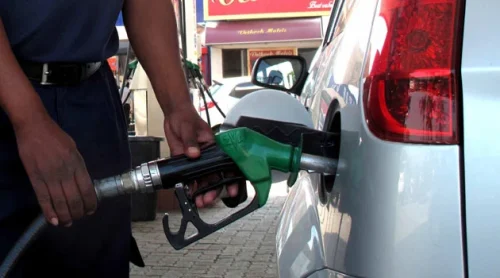
“In accordance with Section 101(y) of the Petroleum Act 2019 and Legal Notice No. 192 of 2022, the Energy & Petroleum Regulatory Authority (EPRA) has calculated the maximum retail prices of petroleum products which will be in force from May 15, 2026, to June 14, 2026,” EPRA stated.
“In the period under review, the maximum allowed petroleum pump prices for Super Petrol and Diesel increased by Ksh16.65 per litre and Ksh46.29 per litre, respectively, while the price of Kerosene remained unchanged,” EPRA added.
Author
Latest News








Advertisement
More on News