One Petroleum stops distribution of controversial fuel consignment after govt order
By Mustafa Juma, April 7, 2026One Petroleum Limited has suspended the distribution of a fuel consignment that recently arrived in the country after being shipped out of the government’s G-to-G agreement, sparking a controversy that led to the arrest and subsequent resignation of top energy officials.
In a press statement issued on Tuesday, April 7, 2026, the company said the move followed consultations with the government amid growing scrutiny over the shipment.
The company revealed that it was among four firms that responded to an emergency request issued by the Ministry of Energy and Petroleum in March, suggesting the consignment was part of urgent efforts to stabilise fuel supply.
It also confirmed that the petroleum cargo delivered on March 27, 2026, via the vessel MT Paloma will not enter the Kenyan market.
“In March, One Petroleum Limited, was one of four bidders that successfully responded to an emergency request issued by the Kenya Ministry of Energy and Petroleum,” the statement read.
“Following consultations with the Government, One Petroleum Limited confirms that it has forthwith taken steps to ensure that the petroleum cargo that was brought in on 27th March, 2026 via MT Paloma does not enter the Kenyan market.”
The government’s order
The decision follows a strong directive from the Ministry of Energy and Petroleum ordering the withdrawal of the 60,000-metric-tonne consignment of Super Petrol and the cancellation of all invoices issued to oil marketing companies.
CS Wandayi said the shipment had been imported “in contravention of the procedures set out under the G-to-G contractual framework with international suppliers,” warning that it posed risks to the stability of Kenya’s fuel supply system.

As part of immediate corrective measures, the ministry ordered One Petroleum to withdraw all invoices and issue credit notes, while directing oil marketers not to pay for or uplift any product from the consignment.
The Energy and Petroleum Regulatory Authority (EPRA) was also instructed to exclude the shipment from monthly fuel pricing calculations.
Price disparity
At the heart of the controversy is a significant pricing discrepancy. According to Wandayi, the consignment was invoiced at approximately Ksh 198,000 per metric tonne, compared to Ksh 140,000 per metric tonne under Kenya’s Government-to-Government (G-to-G) fuel import arrangement.
“This consignment is priced at Ksh 198,000 per metric tonne… an increase of Ksh 58,000 per metric tonne, which would result in an approximate rise of Ksh 14 per litre in pump prices on this consignment alone,” Wandayi stated.
Officials warned that allowing such fuel into the market could have triggered higher pump prices and disrupted the pricing stability achieved under the G-to-G framework.
The shipment arrived at the Port of Mombasa between March 27 and 29 following an emergency request by the government to address a looming fuel shortage.
The crisis was reportedly triggered after a separate consignment of 114.7 million litres of petrol sourced from Emirates National Oil Company failed to leave Dubai due to the closure of the Strait of Hormuz, disrupting planned supply chains.
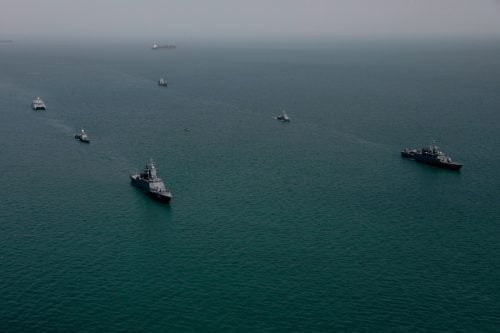
To plug the gap, private firms, including One Petroleum and Oryx, stepped in, each delivering significant volumes of petrol outside the G-to-G arrangement.
However, the government later determined that the procurement did not comply with established procedures.
The situation escalated after a quality assurance manager at the Kenya Pipeline Company (KPC) reportedly flagged concerns following tests on the fuel, halting its distribution and alerting senior authorities.
The discovery sparked internal debate on whether to release the petrol into the market before a full investigation could be conducted.
Ultimately, authorities opted to block the consignment entirely, prioritising market stability and regulatory compliance.
G-to-G framework
Kenya’s G-to-G fuel import system, introduced in 2023, relies on agreements with global energy firms such as Saudi Aramco, Abu Dhabi National Oil Company, and Emirates National Oil Company to stabilise supply and shield consumers from volatile global prices.
The emergence of off-framework imports has now raised fresh concerns about adherence to the system and the risks posed by parallel procurement channels.