Nairobi unveils Ksh25B to rebuild drainage system after deadly floods
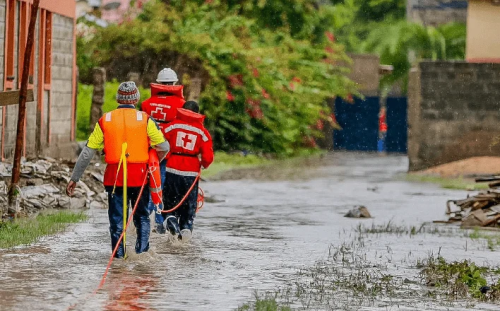
By Kiprono Keileb, March 10, 2026Residents of Nairobi could soon see major changes in the city’s drainage system after deadly floods left a trail of destruction and loss of lives on Friday, March 6, 2026. The county government, working together with the national government, has now unveiled a multi-billion shilling plan aimed at fixing drainage challenges that have long exposed many neighbourhoods to flooding during heavy rains.
The announcement followed the inaugural meeting of a newly formed Joint Implementation Committee bringing together the national government and Nairobi County Governor Johnson Sakaja’s administration. The committee met at City Hall on Monday, March 9, 2026, where several projects under the Nairobi Rising agenda were discussed and approved to improve infrastructure across the capital city.
During the meeting, the committee approved a Ksh25 billion allocation to overhaul Nairobi’s drainage system. The project will involve rebuilding drainage channels, constructing water collection points, improving sewage systems and building bridges in areas frequently affected by flooding.
According to the plan, part of the funding will go toward key water and sewer projects across the city. These include Ksh2.1 billion for the Ngethu-Gigiri water transmission pipeline, expected to be completed within 12 months, Ksh3 billion for Nairobi City Water and Sewerage’s last-mile connectivity works scheduled for 18 months, and Ksh 9 billion for the 27-kilometre twin trunk sewer along the Nairobi River Corridor, where work is already ongoing. Another Ksh3 billion will support the Gigiri–Shauri Moyo water evacuation corridor project, expected to be completed within a year.
Sakaja explained that the county government had previously estimated the drainage reconstruction project to cost far beyond what the county could afford alone, given its annual financial obligations.
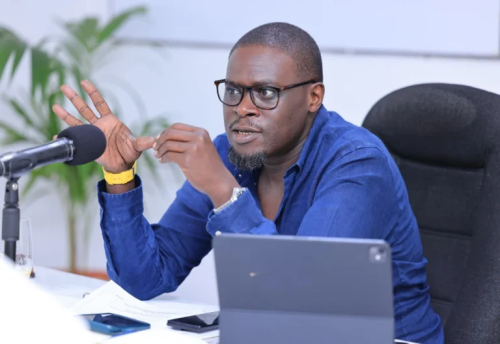
“What we cost last year was too much for the county Ksh25 billion, when you are running a Ksh40 billion budget, salaries and all that, so the county cannot do it on its own, now we need more resources, and I’m glad we are now moving towards that,” Sakaja Johnson
He added that the partnership between the county and the national government will help unlock more funding needed to implement the large infrastructure projects planned for the city.
“Every level of government shall do its work, we shall use this as a framework to get additional resources through the appropriation in the National budget as well as the national budget,” Johnson Sakaja said.