Nairobi police boss cautions against unapproved protests amid fuel-related tensions
By Faith Lagat, April 17, 2026Nairobi Regional Police Commander Issa Mohamud has issued guidelines on public demonstrations following rising tensions linked to increased fuel prices.
In a press brief on Friday, April 16, 2026, he stated that the Constitution of Kenya 2010 guarantees the right to assemble, demonstrate and present petitions but stressed that the right must be exercised within the law.
He noted that police facilitate lawful assemblies to ensure safety and order during public participation activities across the city.
Protest notification requirements and police role
Mohamud said organisers must notify police between three and 14 days before any planned demonstrations to allow for planning of traffic management, deployment and public safety measures.
He stated that last-minute notices would not be accepted due to logistical constraints. “We operate strictly within the law, guided by the Public Order Act and the Constitution,” he said.
He added that police distinguish between peaceful protests and unlawful gatherings that disrupt order.
“There are those who come today and say tomorrow they want to protest. They will not have it. We don’t want disorder; we want order,” he stated. He further noted that the service has facilitated and protected 18 protests and processions in the month.
Legal framework and conditions for assemblies
Under the Public Order Act, police may set conditions on time, routes and venues for public gatherings. Organisers are required to adhere to agreed terms, and any deviation that blocks roads, disrupts businesses or interferes with public services may attract enforcement action. Mohamud emphasised that the right to protest is not unlimited. “It is not absolute,” he said.
He warned against infiltration of demonstrations by criminal elements, noting that destruction of property and violence would attract legal consequences.
He added that organisers of rallies must ensure compliance with notification rules under Section 5(4) of the Public Order Act, while Section 58 provides enforcement measures where violations occur.
Fuel price debate and political reactions
The remarks come amid public concern over fuel price increases announced by the Energy and Petroleum Regulatory Authority, which saw super petrol and diesel rise significantly in Nairobi. The changes triggered public debate on fuel policy, taxation and cost of living.
Political reactions followed, including statements from former Deputy President Rigathi Gachagua and opposition leaders calling for a special parliamentary sitting to review fuel procurement arrangements. They also raised concerns about government energy policies and related levies.
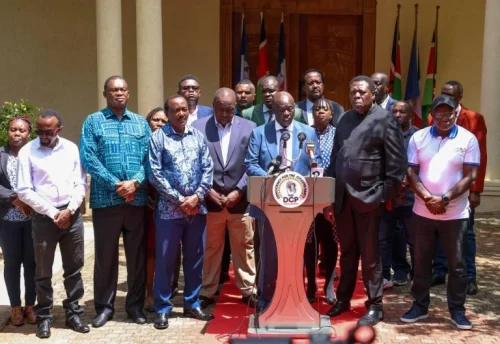
Mohamud noted that no official notification had been received for any planned protests linked to the fuel issue. “We are aware of calls… but no official notification has been filed,” he said.
He assured residents of continued security and coordination for public events in the city, including upcoming conferences and diplomatic engagements.
“Nairobi is enforcing our position regionally and globally. We will ensure these events are conducted safely and smoothly,” he said. He concluded, “We are here day and night… We’ll do it passionately so that Kenyans are safe and the city is safe. This is our country.”