Advertisement
Mutahi Kagwe defends Tea Levy Regulations 2026
Friday 22nd May, 2026 09:30 AM|

Agriculture Cabinet Secretary Matahi Kagwe has issued a defence on the Tea Levy Regulations 2026, framing the move as a vital step toward securing the future of Kenya’s tea industry.
Speaking on Thursday, May 21, 2026, Kagwe emphasised that the levy is not meant to be a burden on businesses or farmers, but a strategic investment. According to Kagwe, the funds will be used to support tea marketing, branding, research, and value addition.
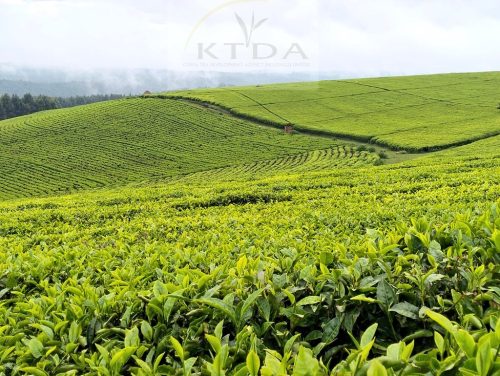
“This initiative is not intended to impose unnecessary burdens on tea farmers or all businesses but rather is intended to ensure that some of the proceeds from tea exports are ploughed back into the development, protection and competitiveness of the tea sector,” Kagwe said.
Importance of tea sector
According to Kagwe, some factory directors use court action to stall reforms and mismanage farmers’ money while also citing governance lapses, reckless borrowing and decisions alleged to favour a few individuals over tea farmers.
You Might Also Like



Kagwe praised the tea sector for its role in supporting millions of livelihoods and earning foreign exchange for the country, noting that Kenya remains a global leader in tea exports.

“Tea remains one of Kenya’s most strategic agricultural commodities and a key pillar of our economy. It supports millions of Kenyans directly and indirectly and remains among our leading foreign exchange earners,” he said.
Tea regulations
At the heart of the reforms is a 0.8% export levy on tea, designed to fund: Global marketing and branding, research and development, infrastructure in tea-growing regions and also industry regulation and oversight
A 100% levy on imported tea has also been introduced as a protective measure.

CS Kagwe emphasized that the levy will not burden farmers, noting it is payable by exporters and importers, effectively positioning it as a consumer-side cost.
“For too long, Kenya has produced some of the best tea in the world, but invested too little in marketing it. That changes now,” CS Kagwe said.
In a move to bypass traditional trading bottlenecks, the Tea Board of Kenya will launch an e-commerce B2B marketplace, directly linking producers to global buyers.
At the same time, Kenya is deepening trade diplomacy under frameworks such as the African Continental Free Trade Area (AfCFTA), securing value addition opportunities in markets like Egypt’s Alexandria Free Zone and expanding bilateral trade channels with Algeria and Morocco.
Author
Emmanuel Rono
Rono is a digital journalist with a proven track record in newsroom leadership and content creation. Currently a Digital Writer for People Daily Digital, Emmanuel’s career is rooted in a lifelong passion for storytelling. Let's talk here: [email protected] or [email protected]
View all posts by Emmanuel RonoLatest News








Advertisement
More on News