Mudavadi: Govt will not relocate capital from Nairobi despite flood risks
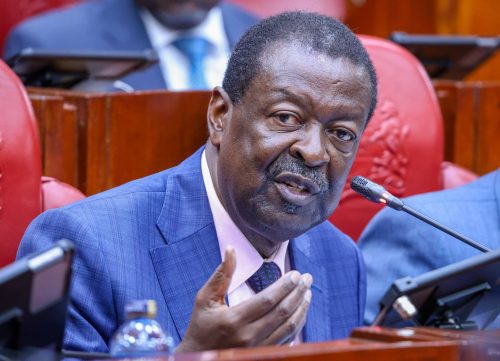
By Aloys Michael, March 30, 2026Prime Cabinet Secretary (PCS) Musalia Mudavadi has brushed off proposals to relocate the country’s capital from Nairobi, saying the idea is impossible due to legal and practical constraints.
Appearing before the Senate Committee on Devolution and Intergovernmental Relations on Monday, March 30, 2026, Mudavadi explained that relocating the capital from Nairobi is likely to clash with the nation’s land tenure system.
“We cannot relocate the capital to another city. In Tanzania, they were able to do that with Dodoma and in Nigeria, they moved away from Lagos. Our land tenure system cannot provide a solution like the one in Tanzania and Nigeria,” Mudavadi told the senators.
However, he notes that the capital cities have been changed in other countries, citing Nigeria and Tanzania, which changed their capitals from Lagos to Abuja and Dar es Salaam to Dodoma.
According to the PCS, much of the urban land is privately owned, and that is one of the reasons why the idea cannot be achieved.
“A lot of the land in urban areas belongs to Kenyan citizens. Even if you move beyond that, you would be looking at compromising people’s land to create a new city,” Mudavadi said.
Funding concerns
Mudavadi also said the financial implications of such a move, pointing to the high costs of relocating major infrastructure like the Standard Gauge Railway (SGR).
This was in response to the Senate committee’s questions, which had focused on whether relocating or expanding the capital might be more practical, especially given issues such as flooding and houses built on riparian land.
Instead of moving the capital from Nairobi, however, Mudavadi emphasised the need to look at alternative interventions to improve the city’s infrastructure and urban management.
The PCS told senators the framework is a structured partnership designed to resolve Nairobi’s long-standing infrastructure and service delivery challenges, insisting it does not undermine devolution.
“This agreement represents a deliberate and structured effort by both levels of government to strengthen collaboration in the delivery of critical services and infrastructure within the Capital City,” he said.

The senate meeting comes at a time of growing pressure to fix Nairobi’s development crisis, such as floods that have caused havoc, with Mudavadi exuding confidence that the approach could mark a turning point, if legal, financial, and accountability gaps are addressed.
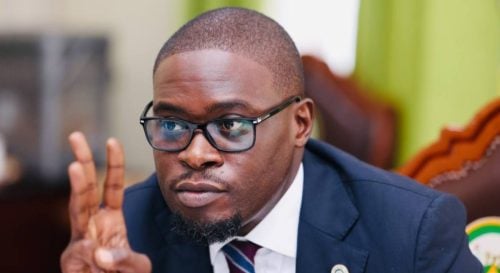
Earlier, Sakaja had attributed the city’s persistent infrastructure problems, particularly chronic flooding, to years of inadequate funding amid uproar from the citizens and a section of leaders.
Breaking his silence on Sunday evening, March 8, 2026, nearly 48 hours after floods caused widespread disruption across Nairobi, Sakaja said the county requires billions of shillings to permanently fix the capital’s drainage system and curb the recurring flood menace.
According to Sakaja, Nairobi requires at least Ksh60 billion annually to properly address infrastructure needs, maintain public services and respond to emergencies such as the ongoing floods.
“I am not overwhelmed, I am under-resourced. Nairobi needs at least Ksh60 billion every year to address the challenges and development needs in a better way,” he said in an interview on a local TV station.